 Search for...
-
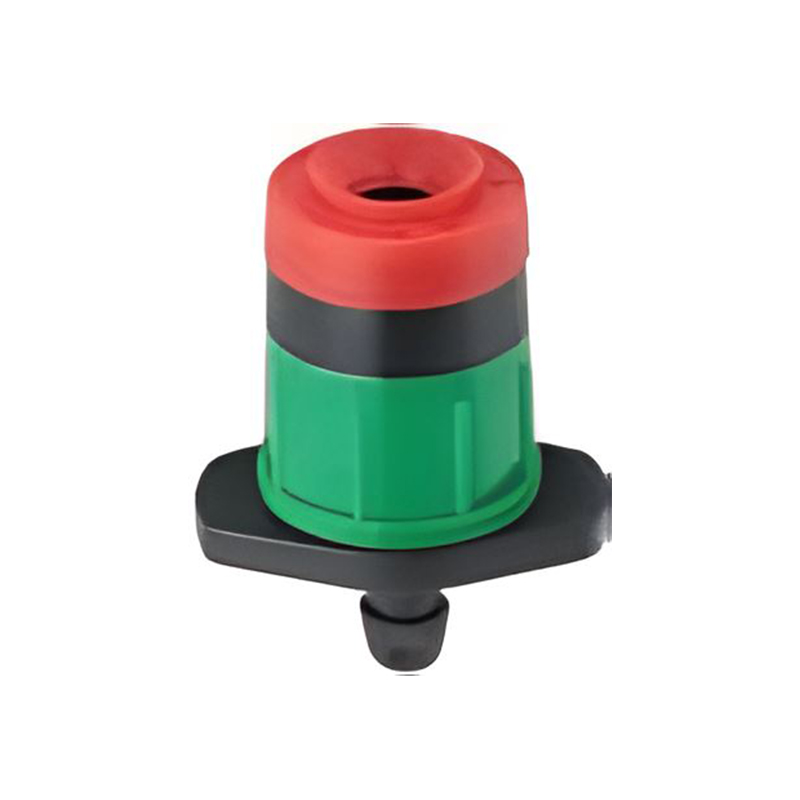
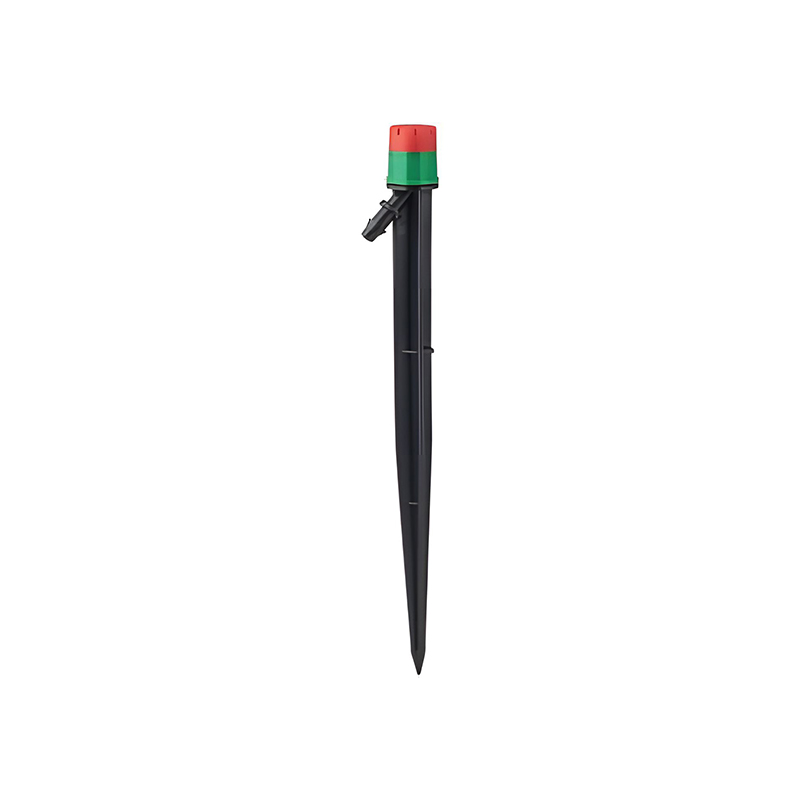
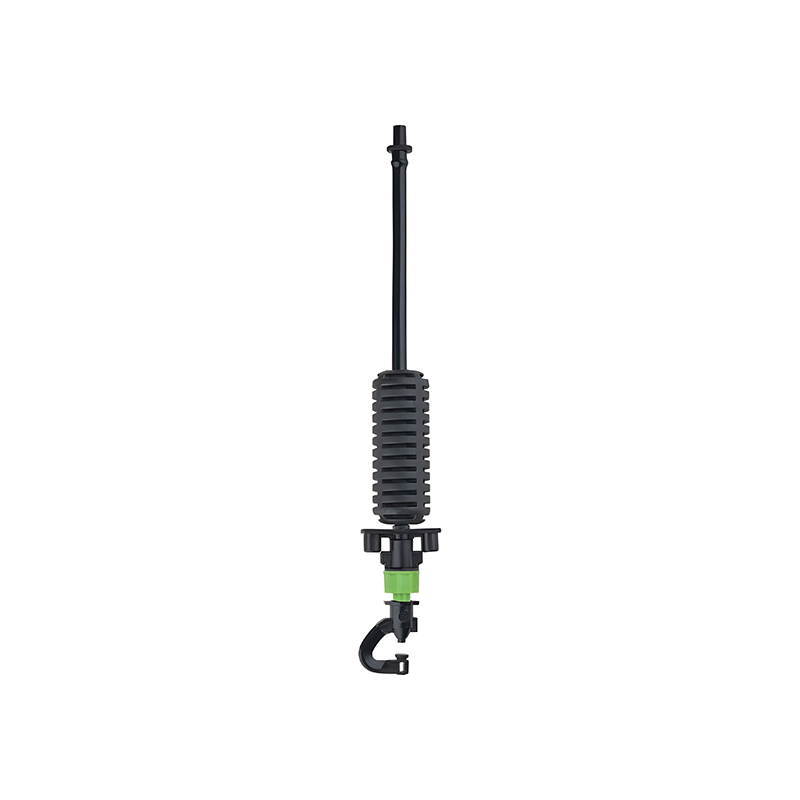
DC-M88 360° সামঞ্জস্যযোগ্য প্রবাহ (বড় বডি)
মালিকানাধীন উদ্ভাবন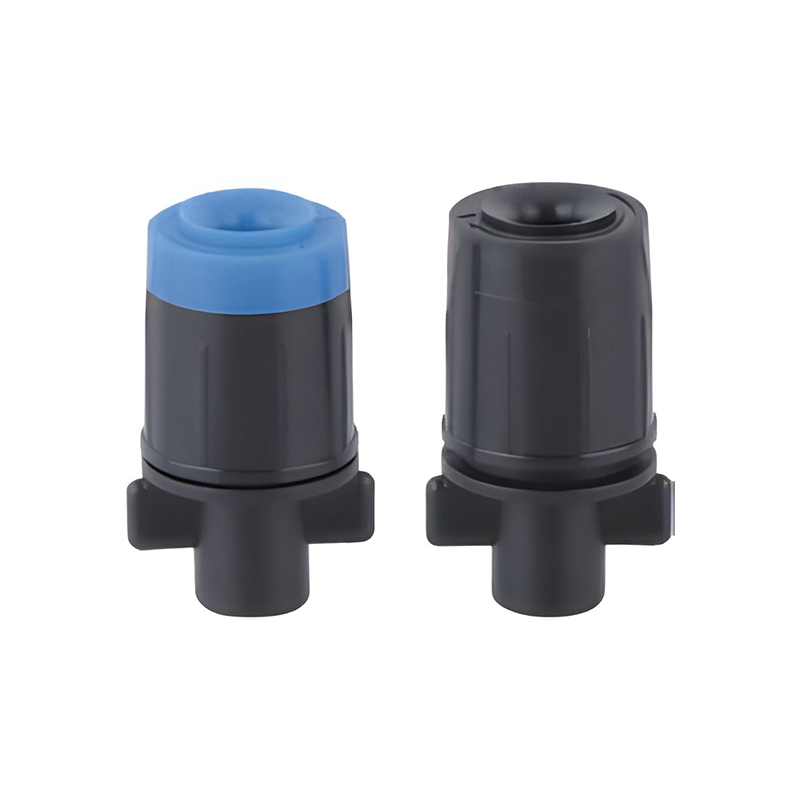 মালিকানাধীন উদ্ভাবন
স্টেক সহ নিয়মিত ড্রিপার
360° সামঞ্জস্যযোগ্য প্রবাহ - বিগ বডি এক
-
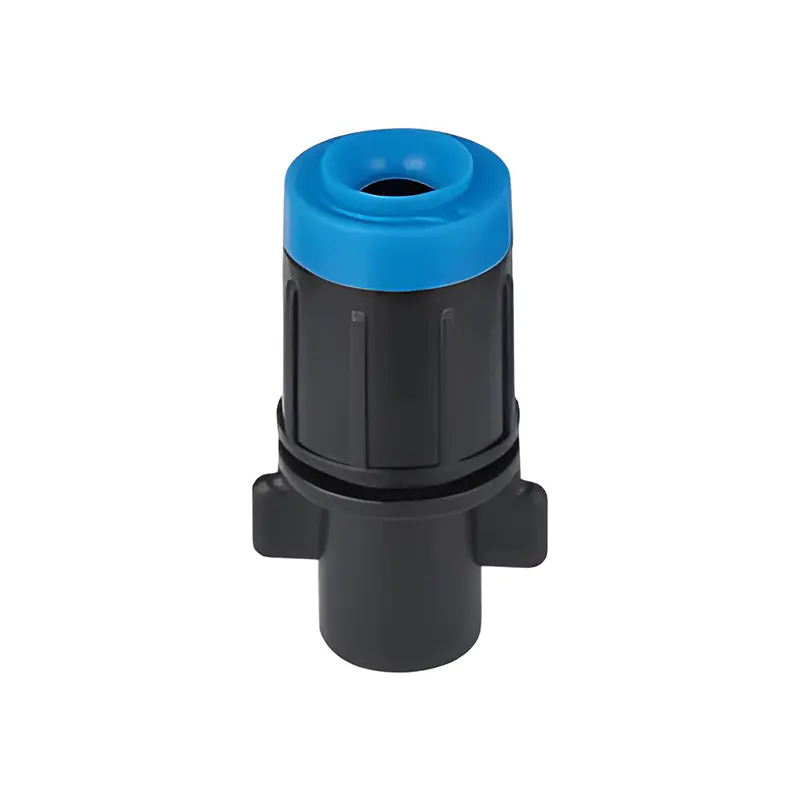
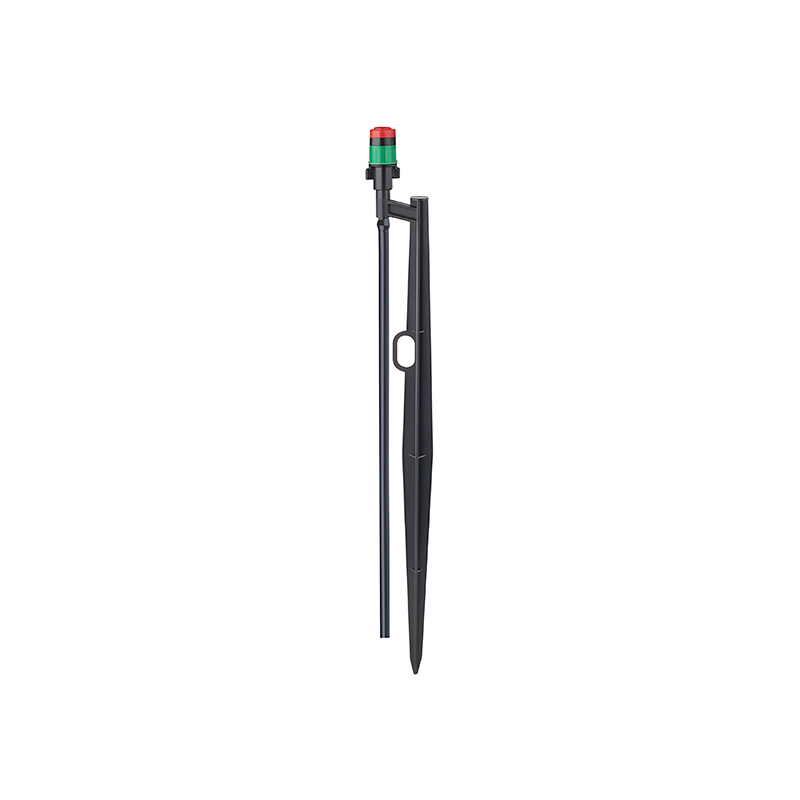
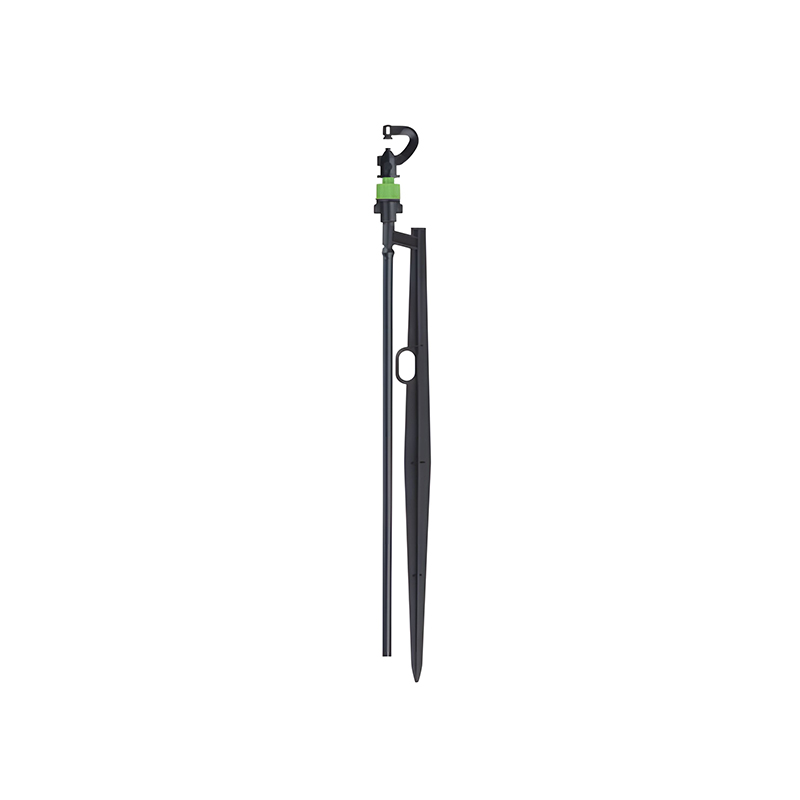
DC-M91 360° খাড়া অবস্থান সামঞ্জস্যযোগ্য প্রবাহ
স্টেক সহ নিয়মিত ড্রিপার
360° খাড়া অবস্থান সামঞ্জস্যযোগ্য ফ্ল
-
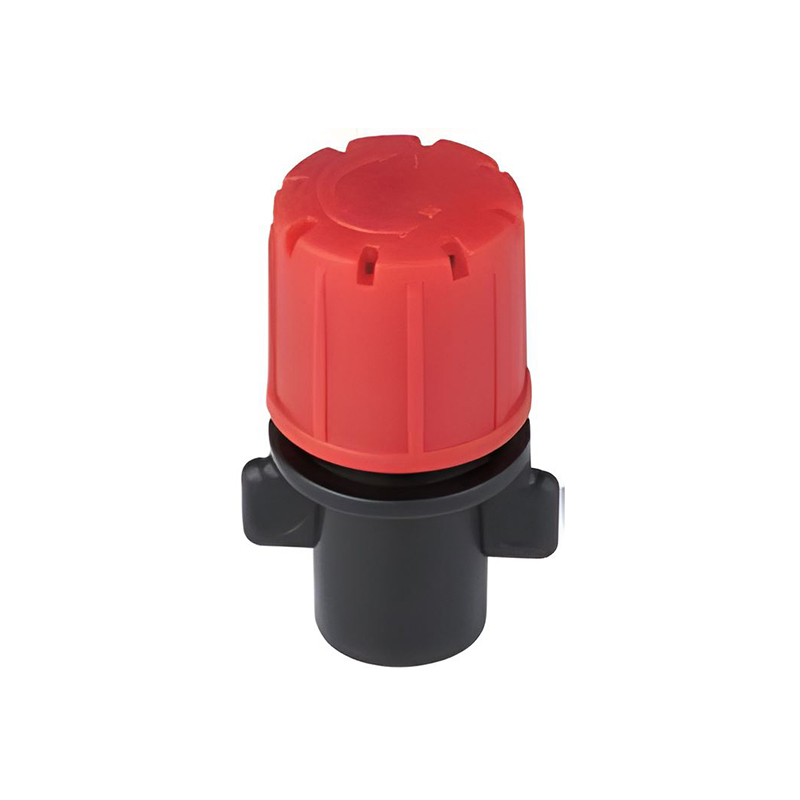
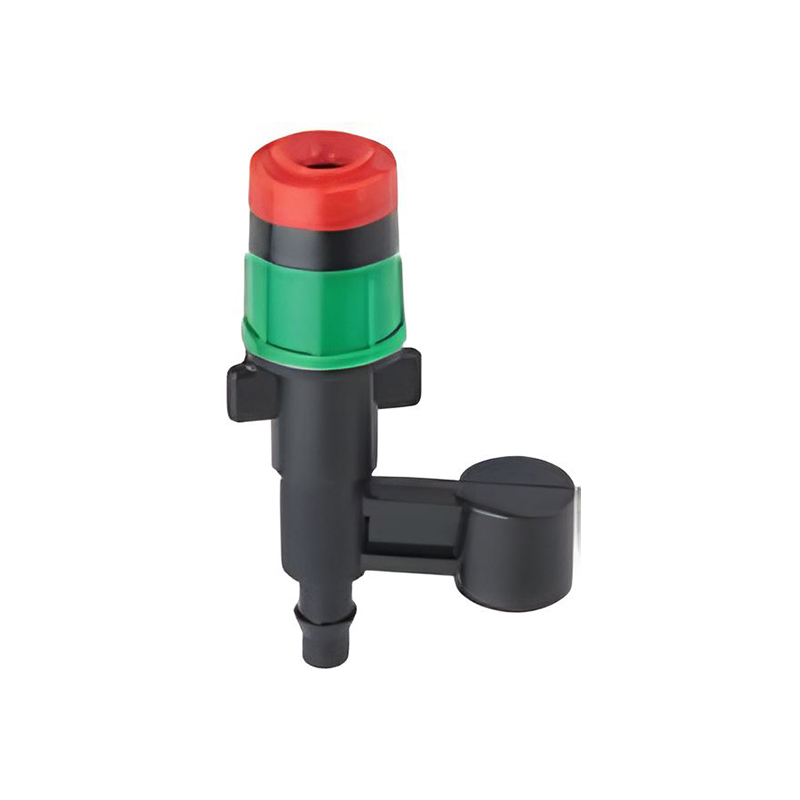
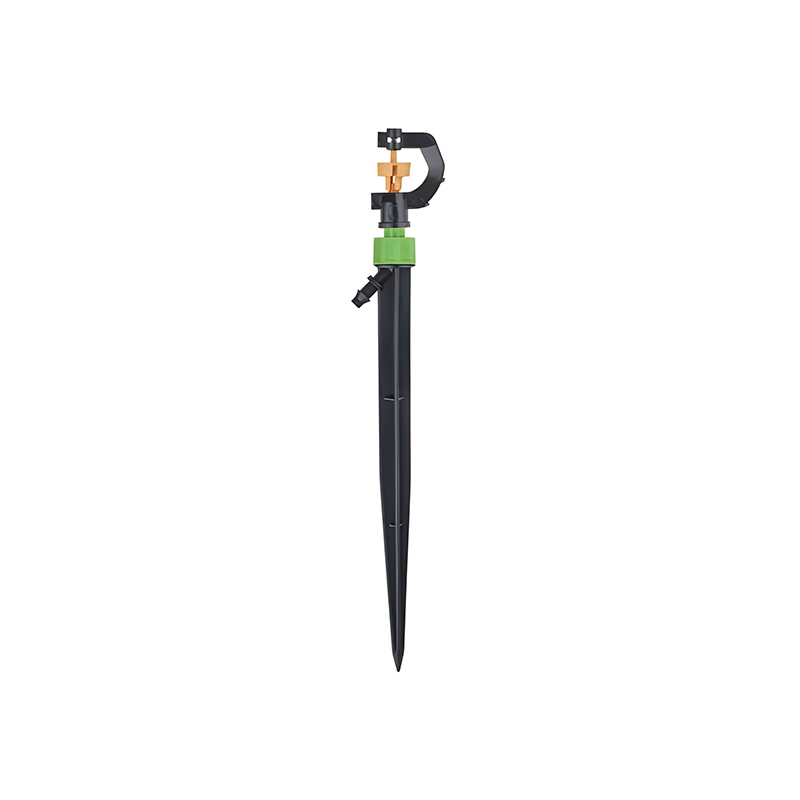
DC-M92 আট-গর্ত খাড়া টাইপ সামঞ্জস্যযোগ্য প্রবাহ
স্টেক সহ নিয়মিত ড্রিপার
আট-গর্ত খাড়া টাইপ অ্যাডজাস্টেবল ফ্


এখন তদন্ত
ল্যান্ডস্কেপ ড্রিপার্স সিরিজ Suppliers
ল্যান্ডস্কেপ ড্রিপার্স সিরিজ
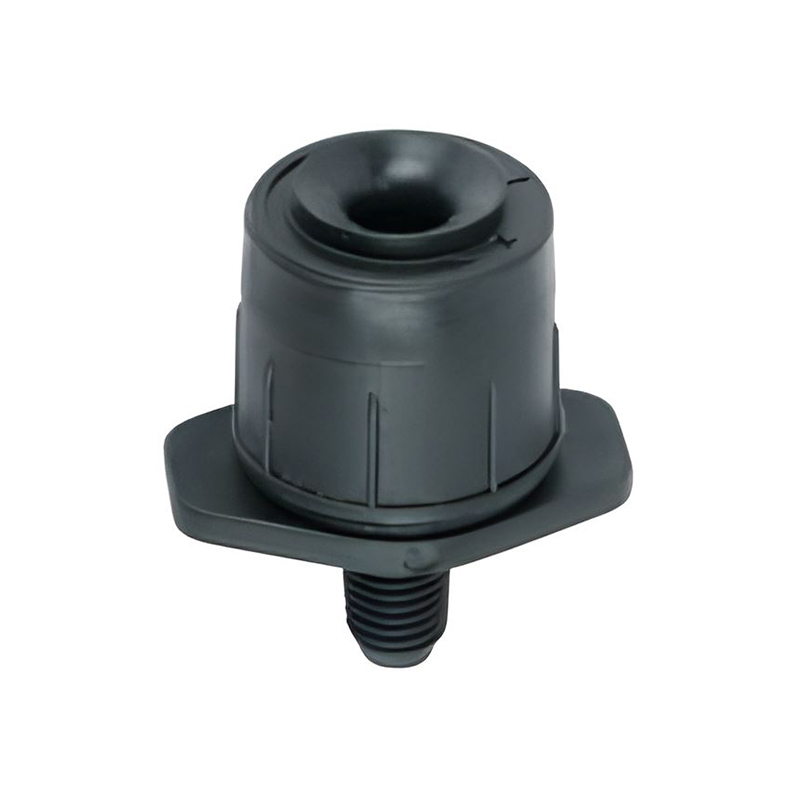
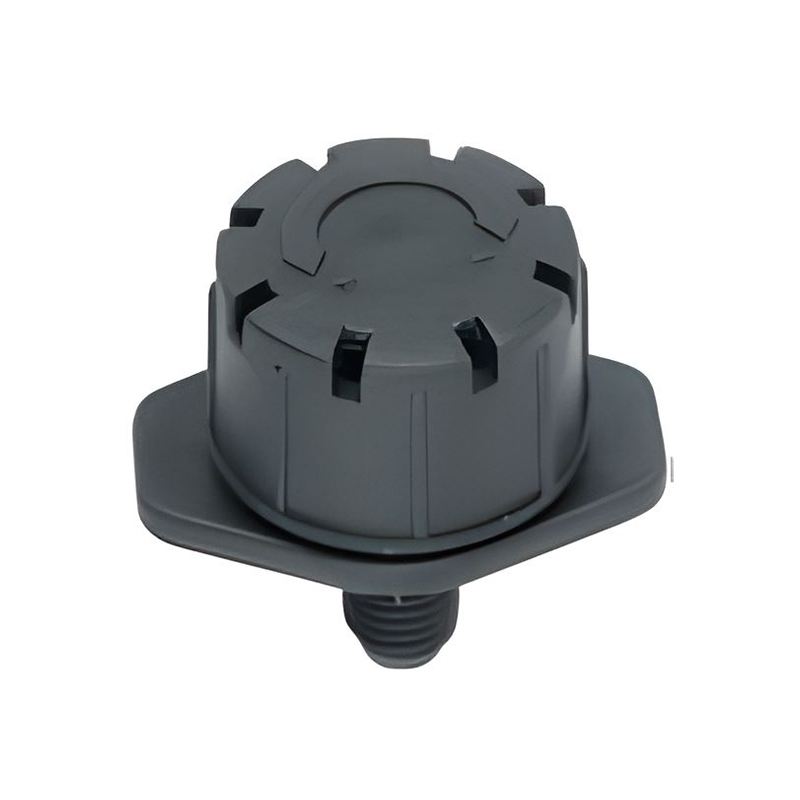
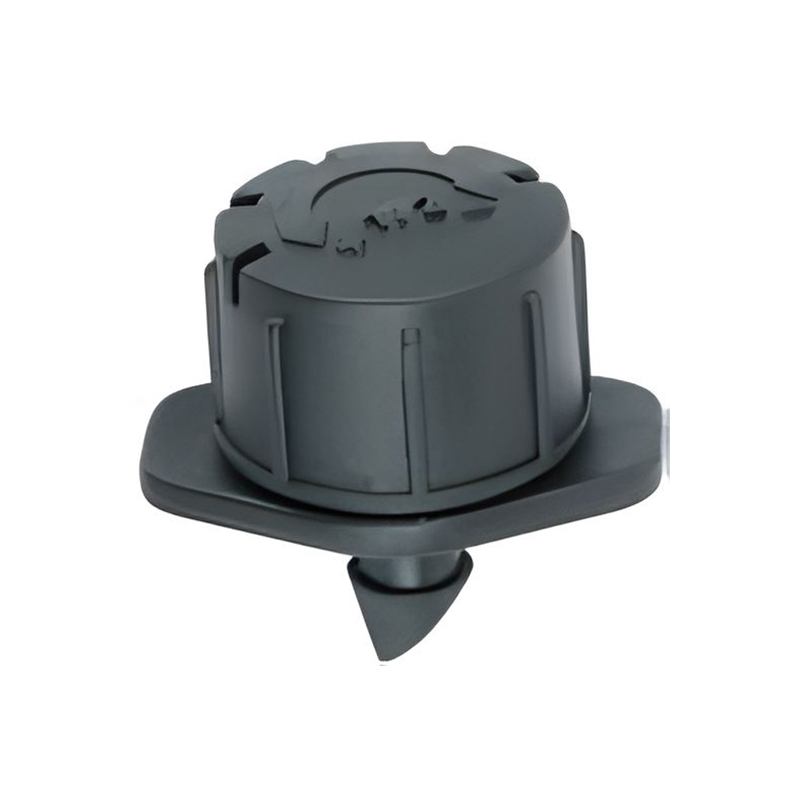
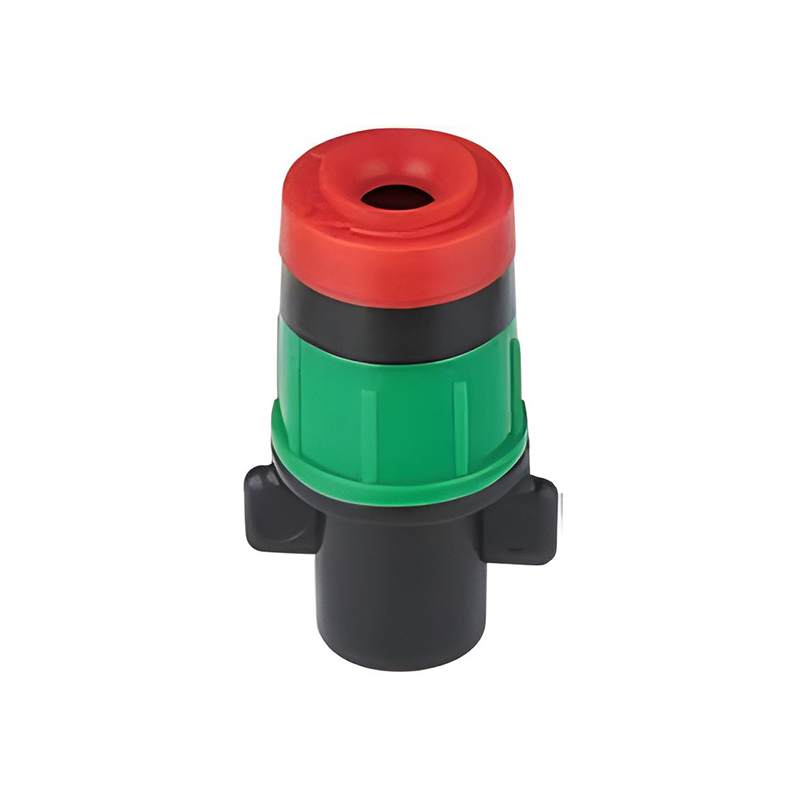
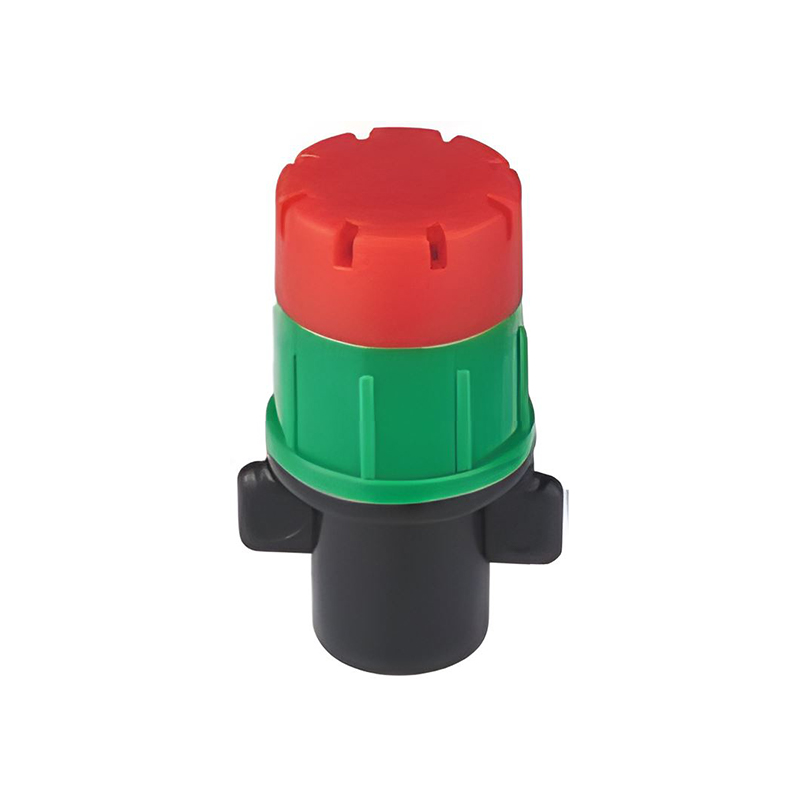
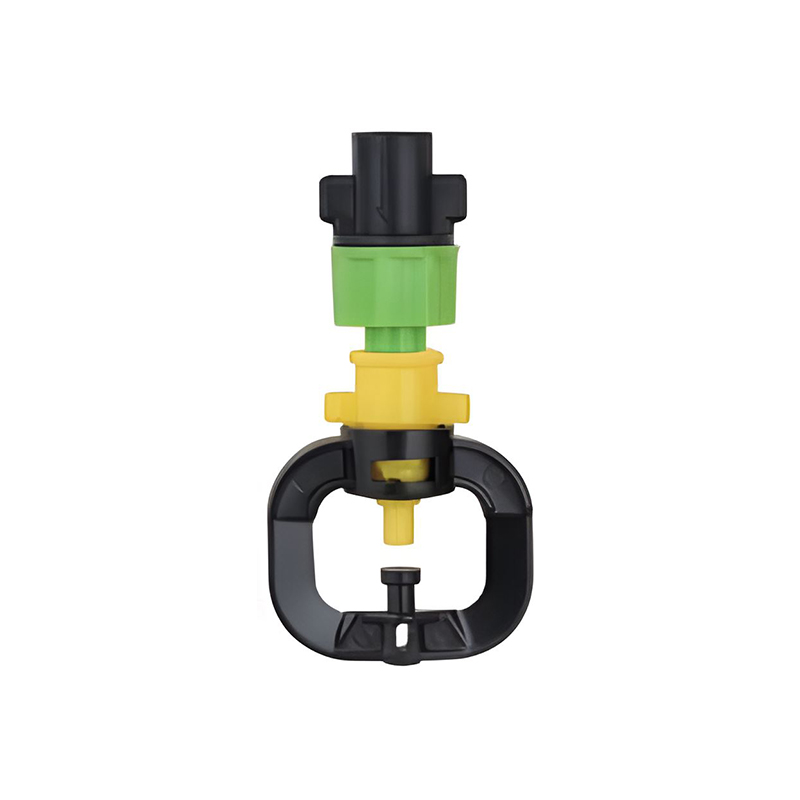
ল্যান্ডস্কেপ ড্রিপার্স সিরিজ হল একটি উচ্চ-দক্ষ ছিটানো পণ্য যা বিশেষভাবে বাগান এবং ল্যান্ডস্কেপ সেচের জন্য ডিজাইন করা হয়েছে। এই সিরিজটি গাছের শিকড়ে সরাসরি জল সরবরাহ করতে সুনির্দিষ্ট ড্রিপ সেচ প্রযুক্তি ব্যবহার করে, প্রতিটি গাছ সম্পূর্ণরূপে ময়শ্চারাইজ করা নিশ্চিত করে। স্থায়িত্ব এবং অভিযোজনযোগ্যতার জন্য ডিজাইন করা, এই স্প্রিংকলারগুলি প্যাটিওস, ফুলের বিছানা এবং গ্রিনবেল্ট সহ বিভিন্ন ধরণের অ্যাপ্লিকেশনের জন্য আদর্শ। এছাড়াও, ল্যান্ডস্কেপ ড্রিপার্স সিরিজের সামঞ্জস্যযোগ্য প্রবাহ ফাংশন ব্যবহারকারীদের নমনীয়ভাবে উদ্ভিদের চাহিদা অনুযায়ী জলের পরিমাণ সামঞ্জস্য করতে দেয়, জল সম্পদ ব্যবহারের দক্ষতা সর্বাধিক করে। এর সহজ ইনস্টলেশন এবং রক্ষণাবেক্ষণের বৈশিষ্ট্যগুলি এই সিরিজটিকে বাগানের উত্সাহীদের জন্য একটি আদর্শ পছন্দ করে তোলে যারা সৌন্দর্য এবং ব্যবহারিকতা অনুসরণ করে, আপনাকে একটি প্রাণবন্ত ল্যান্ডস্কেপ পরিবেশ তৈরি করতে সহায়তা করে৷
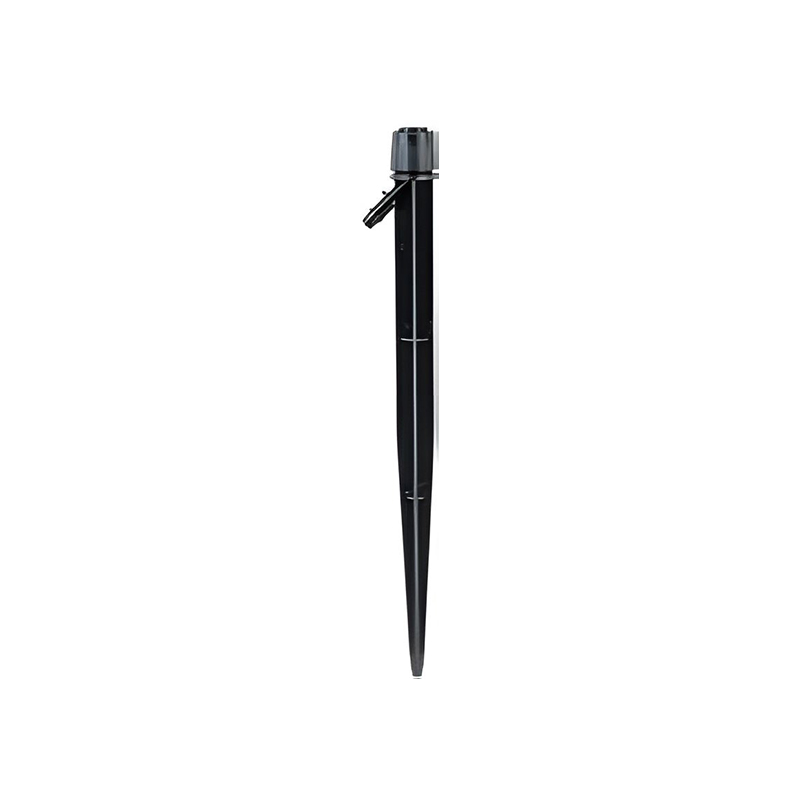
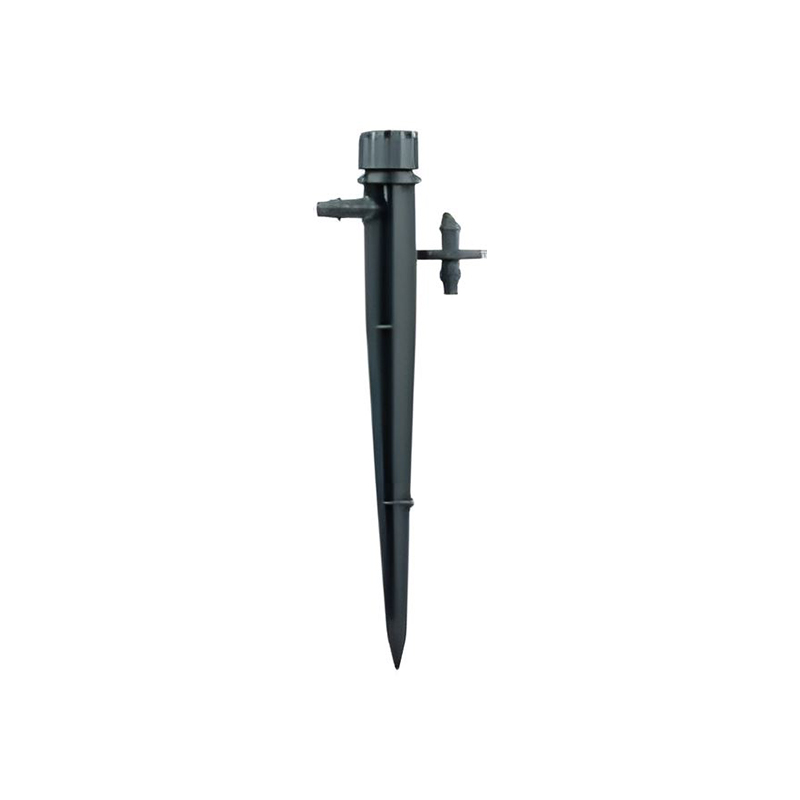
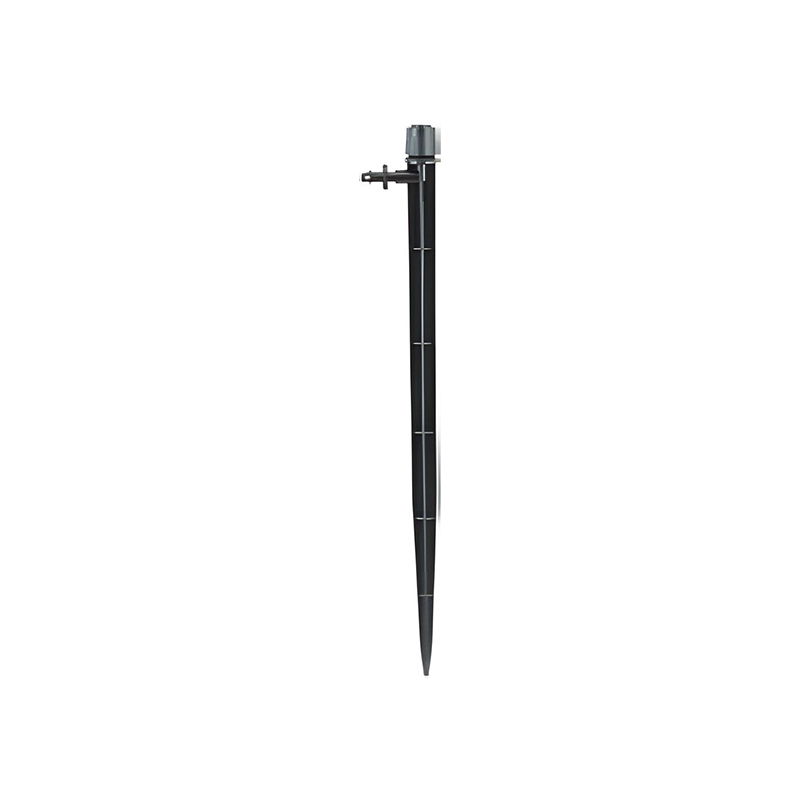
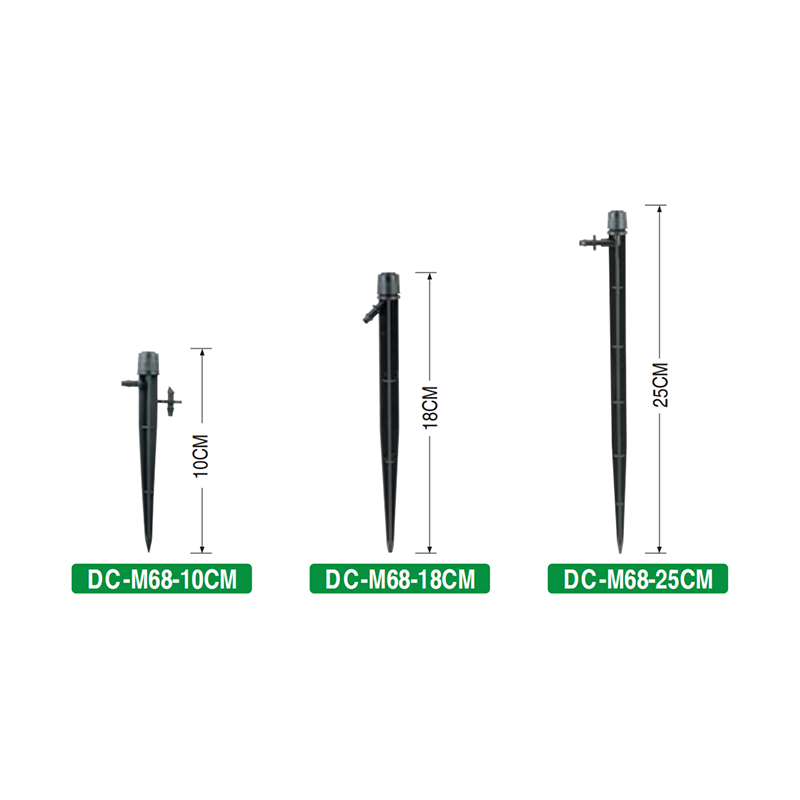
DC-M68 360° সামঞ্জস্যযোগ্য প্রবাহ
ফুল সার্কেল ডিফিউশন প্লাগ টিপ (360° সামঞ্জস্যযোগ্য প্রবাহ) একটি নমনীয় সেচ ডিভাইস যা সম্পূর্ণ এবং এমনকি জল কভারেজ প্রদানের জন্য ডিজাইন করা হয়েছে। 360 ডিগ্রীতে সামঞ্জস্য করার ক্ষমতা সহ, টিপ ব্যবহারকারীকে গাছপালা এবং পরিবেশের প্রয়োজন অনুসারে জলের প্রবাহকে অবাধে সামঞ্জস্য করতে দেয়, নিশ্চিত করে যে প্রতিটি অঞ্চল পর্যাপ্ত জল পায়।
উচ্চ-শক্তি, জারা-প্রতিরোধী উপকরণ থেকে তৈরি, ফুল সার্কেল ডিফিউজার টিপ চমৎকার স্থায়িত্ব এবং ইউভি প্রতিরোধের প্রস্তাব করে, এটি বিভিন্ন জলবায়ুতে ব্যবহারের জন্য উপযুক্ত করে তোলে। এর উদ্ভাবনী নকশা দ্রুত এবং সহজ ইনস্টলেশন, সেইসাথে সহজ রক্ষণাবেক্ষণ এবং পরিষ্কার করার অনুমতি দেয়। দক্ষ জল বন্টনের সাথে, এই টিপসগুলি জল ব্যবহারের দক্ষতাকে অপ্টিমাইজ করে এবং উদ্ভিদের জন্য আদর্শ ক্রমবর্ধমান পরিবেশ প্রদান করে, যা তাদেরকে আধুনিক কৃষি ও উদ্যানপালনের জন্য আদর্শ সেচ সমাধান করে তোলে৷
| চাপ: | 1.5~2.5 বার |
| পরিসীমা: | 1~2.5 মি |
| প্রবাহ: | 0-70 LH |
আমাদের সাথে যোগাযোগ করুন
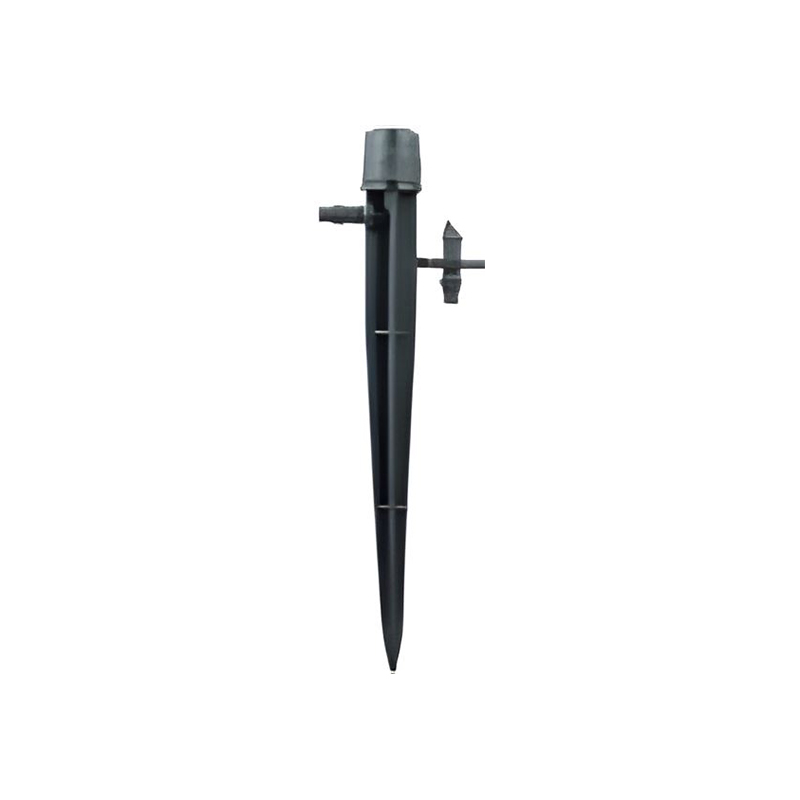
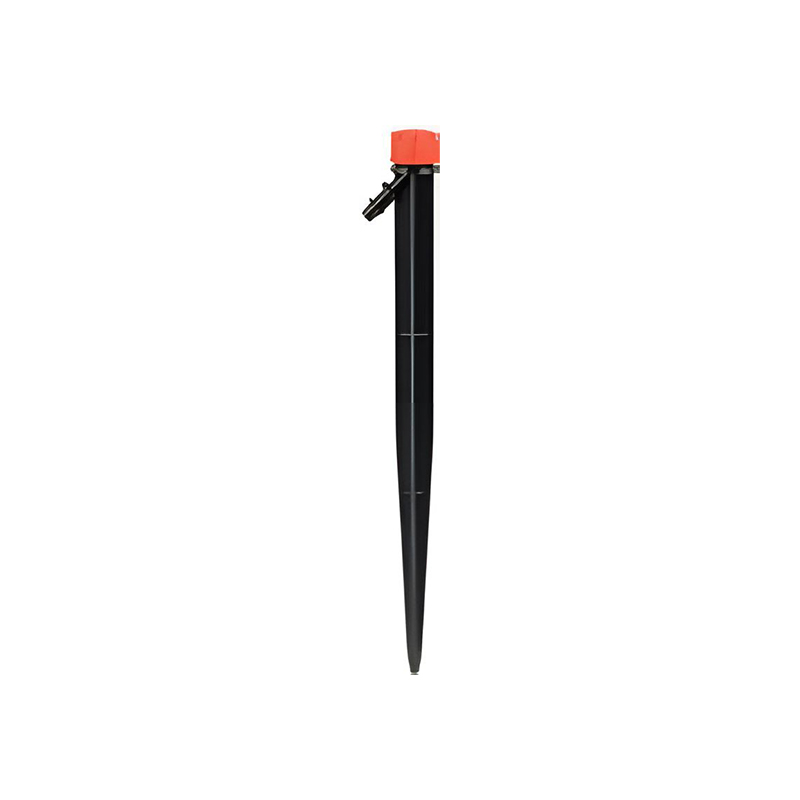
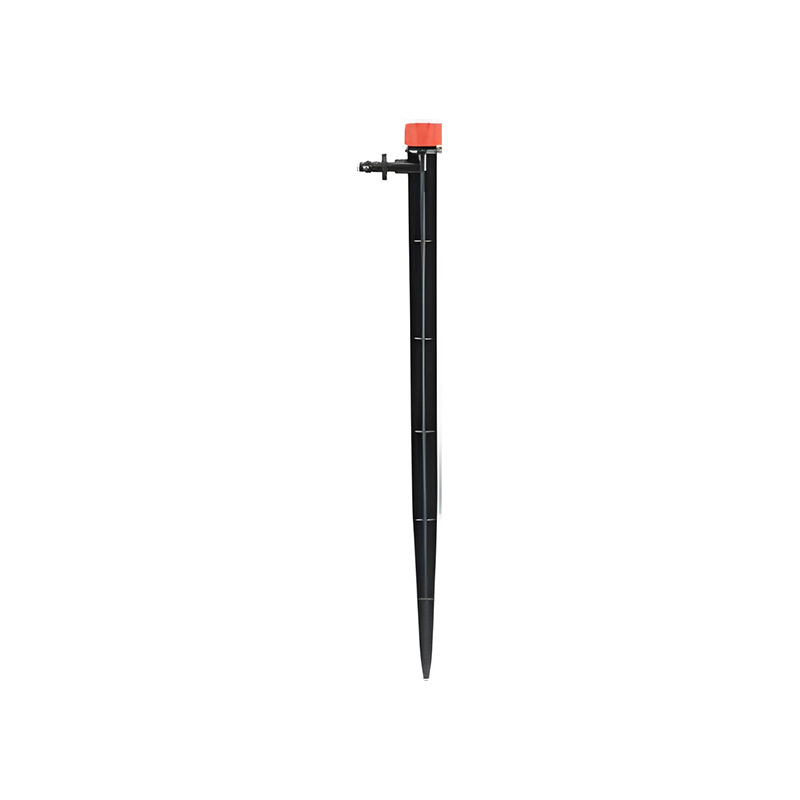
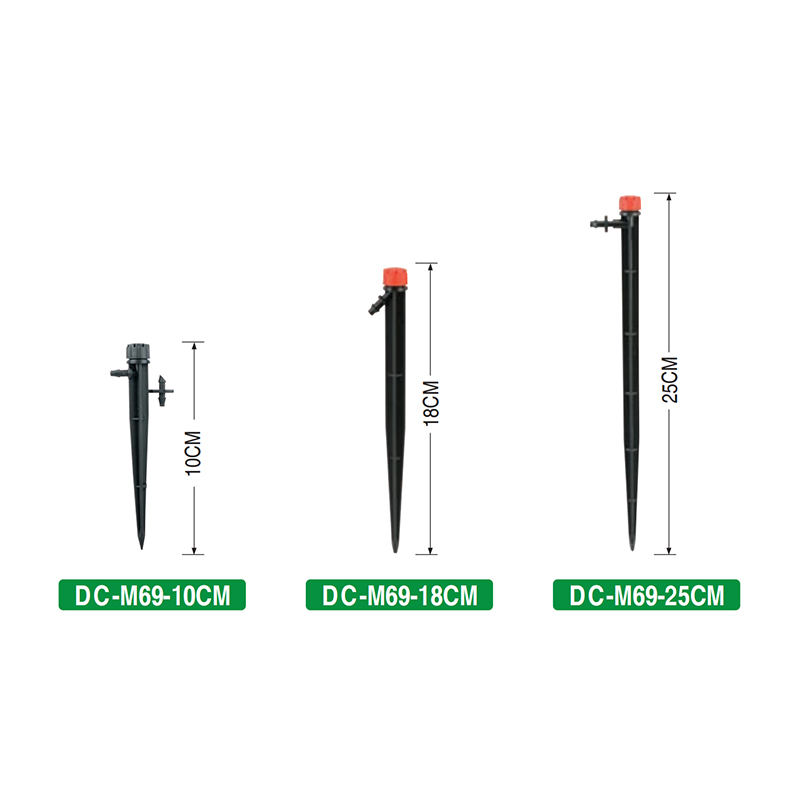
DC-M69 আট-গর্ত সামঞ্জস্যযোগ্য প্রবাহ
এইট-হোল অ্যাডজাস্টেবল ফ্লো স্প্রিংকলার হেড (এইট-হোলস অ্যাডজাস্টেবল ফ্লো) একটি স্মার্টভাবে ডিজাইন করা সেচ ডিভাইস যা সুনির্দিষ্ট জল বন্টন এবং নমনীয় প্রবাহ সমন্বয়ের জন্য ডিজাইন করা হয়েছে। এর অনন্য আট-গর্ত নকশাটি এমনকি জল বিতরণের জন্য অনুমতি দেয়, ব্যবহারকারীকে সর্বোত্তম সেচ ফলাফল নিশ্চিত করার জন্য উদ্ভিদের নির্দিষ্ট চাহিদা এবং পরিবেশগত অবস্থা অনুযায়ী প্রতিটি গর্তের প্রবাহ হারকে অবাধে সামঞ্জস্য করতে দেয়।
স্প্রিংকলার হেড উচ্চ-শক্তি, ক্ষয়-প্রতিরোধী উপকরণ দিয়ে তৈরি করা হয় যাতে বিভিন্ন আবহাওয়ায় এর দীর্ঘস্থায়ী ব্যবহার নিশ্চিত করা যায়। ইনস্টল এবং বজায় রাখা সহজ, এটি ব্যবহারকারীদের দ্রুত কনফিগার এবং স্প্রে নিদর্শন সামঞ্জস্য করতে অনুমতি দেয়। এছাড়াও, আট-গর্ত সামঞ্জস্যযোগ্য ফ্লো স্প্রিংকলার হেড কার্যকরভাবে সুস্থ উদ্ভিদ বৃদ্ধির প্রচারের সাথে সাথে জল ব্যবহারের দক্ষতা উন্নত করে আধুনিক কৃষি ও উদ্যানপালনের জন্য একটি আদর্শ সমাধান প্রদান করে৷
| চাপ: | 1.5~2.5 বার |
| পরিসীমা: | 1~2.5 মি |
| প্রবাহ: | 0-80 LH |
আমাদের সাথে যোগাযোগ করুন
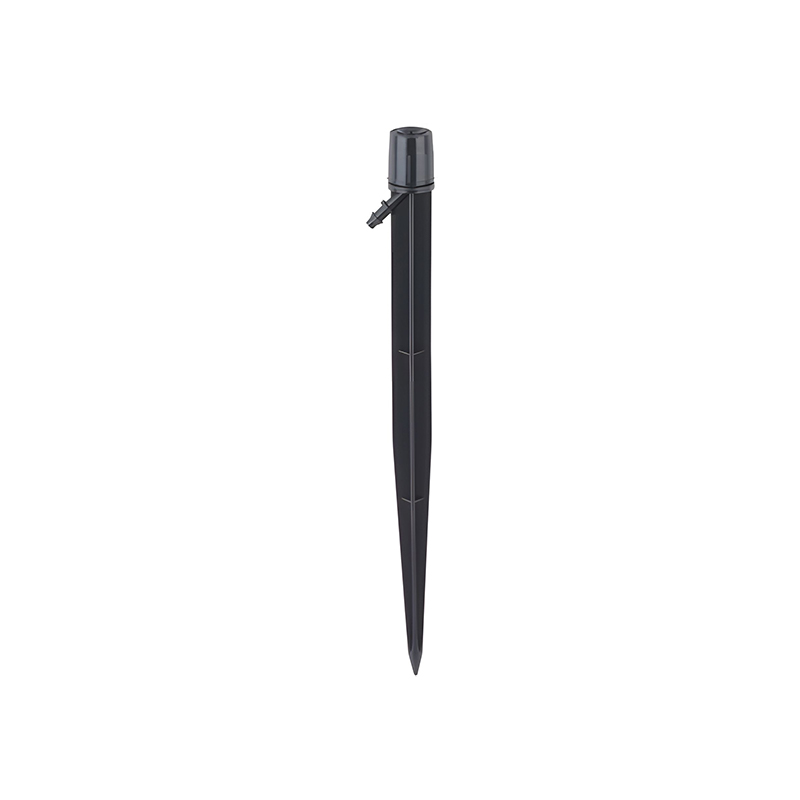
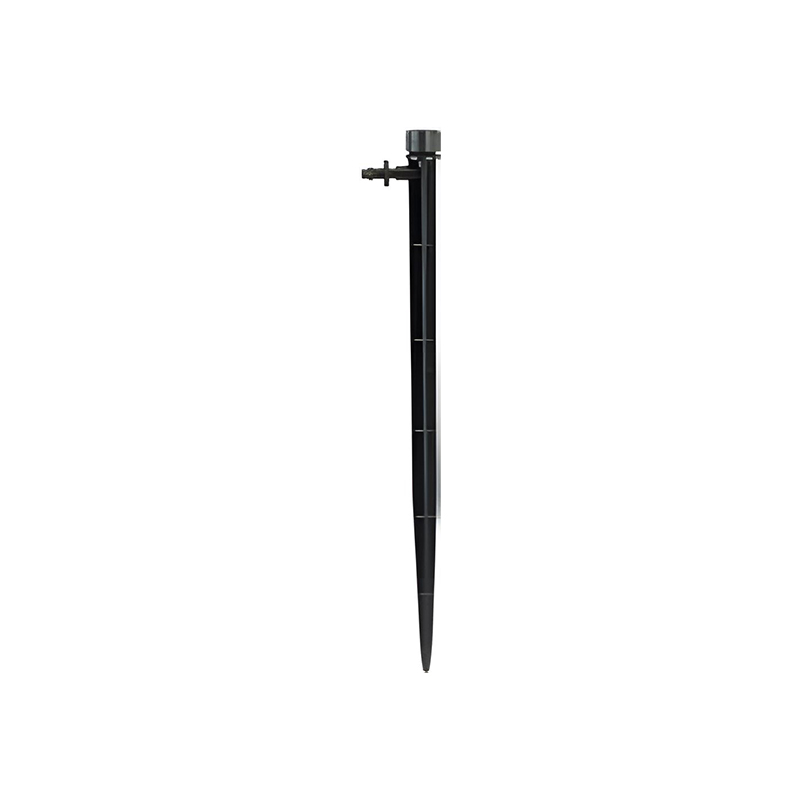
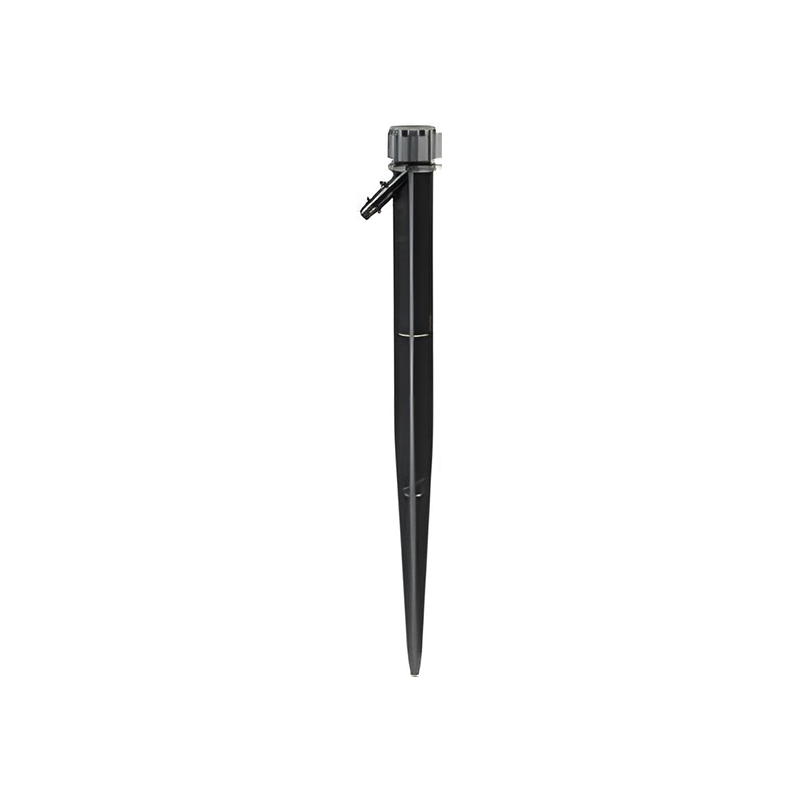
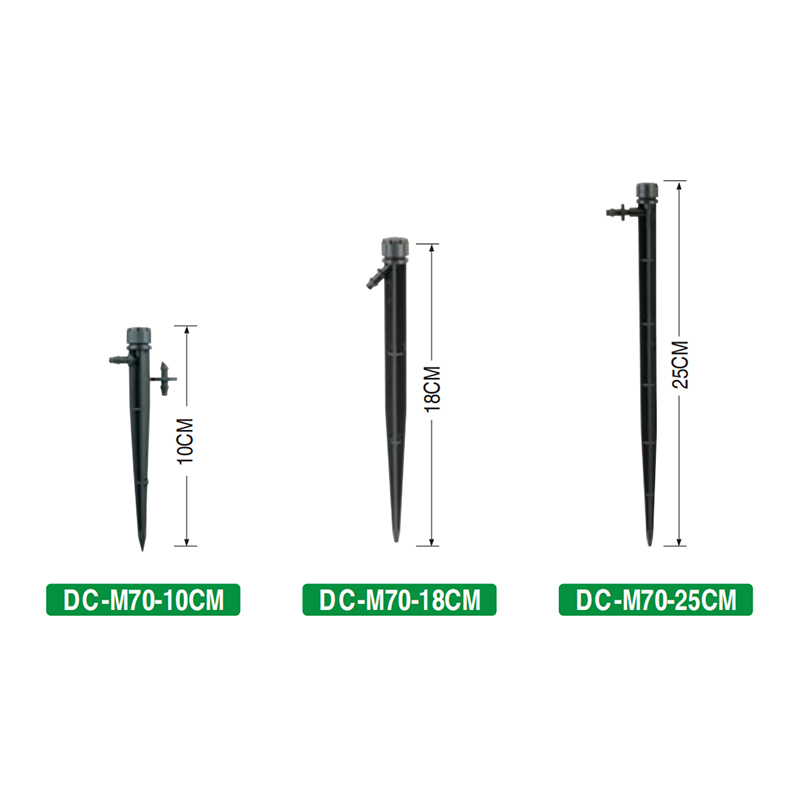
DC-M70 পাঁচ-গর্ত সামঞ্জস্যযোগ্য প্রবাহ
ফাইভ-হোল অ্যাডজাস্টেবল ফ্লো হল একটি অত্যন্ত দক্ষ সেচ যন্ত্র যা নমনীয় জল বন্টনের জন্য ডিজাইন করা হয়েছে। এর অনন্য পাঁচ-গর্ত কাঠামো জলের সমান প্রবাহ সরবরাহ করে, ব্যবহারকারীদের প্রতিটি গর্তের প্রবাহের হারকে বিভিন্ন গাছের চাহিদা এবং ক্রমবর্ধমান অবস্থার সাথে সামঞ্জস্য করতে দেয়, নিশ্চিত করে যে জল প্রতিটি কোণে নির্ভুলতার সাথে পৌঁছায়।
জারা-প্রতিরোধী, উচ্চ-শক্তির উপকরণ দিয়ে তৈরি, অগ্রভাগটি টেকসই এবং ইউভি-প্রতিরোধী এবং বিভিন্ন জলবায়ু পরিস্থিতিতে স্থিরভাবে কাজ করতে পারে। এর নকশা ইনস্টলেশন এবং রক্ষণাবেক্ষণকে সহজ করে তোলে, ব্যবহারকারীদের দ্রুত স্প্রে প্যাটার্ন সেট এবং সামঞ্জস্য করতে দেয়। 5-হোল অ্যাডজাস্টেবল ফ্লো অগ্রভাগ শুধুমাত্র জল ব্যবহারের দক্ষতাই উন্নত করে না, বরং উদ্ভিদের সুস্থ বৃদ্ধিতেও সাহায্য করে, এটিকে আধুনিক কৃষি ও উদ্যানপালনের জন্য একটি আদর্শ পছন্দ করে তোলে৷
| চাপ: | 1.5~2.5 বার |
| পরিসীমা: | 1~2.5 মি |
| প্রবাহ: | 0-70 LH |
আমাদের সাথে যোগাযোগ করুন
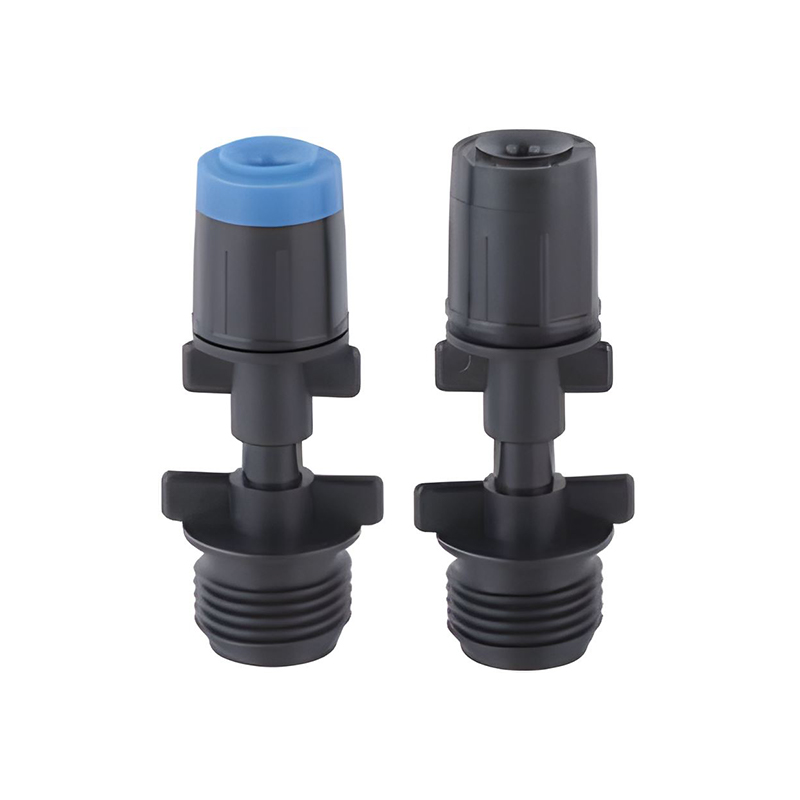
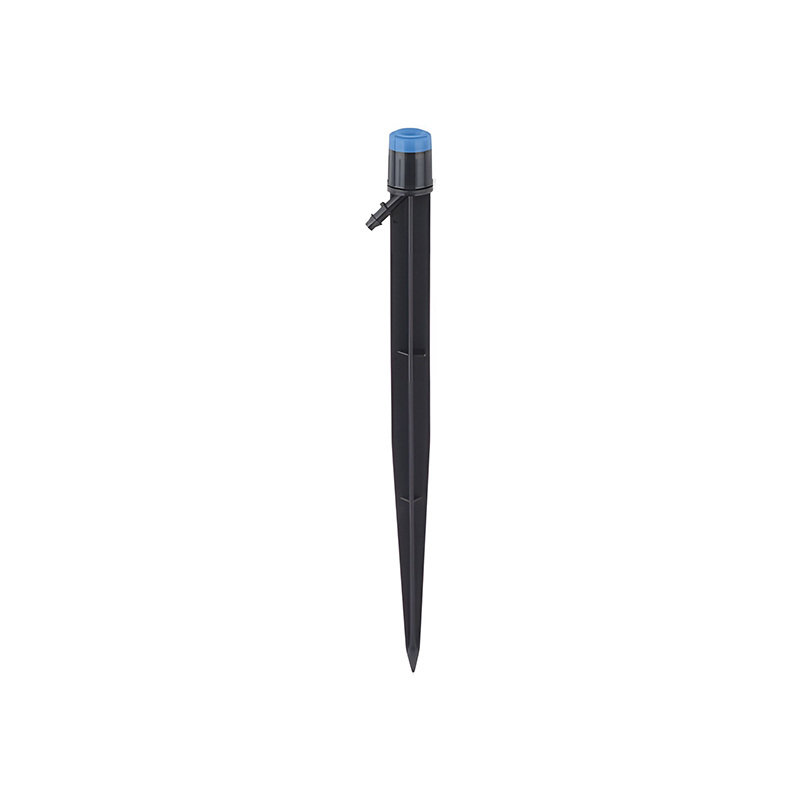
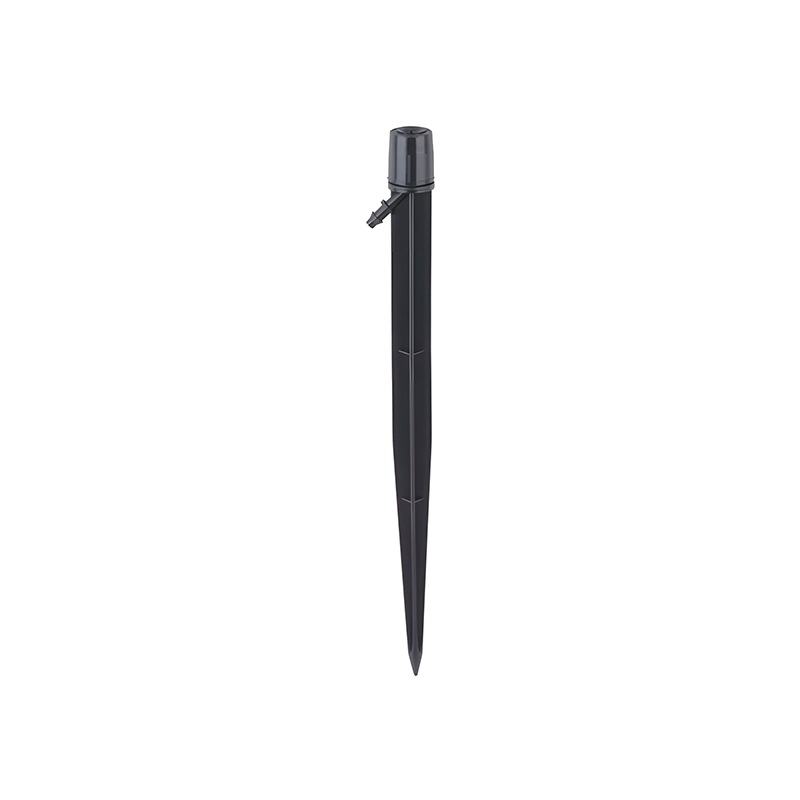
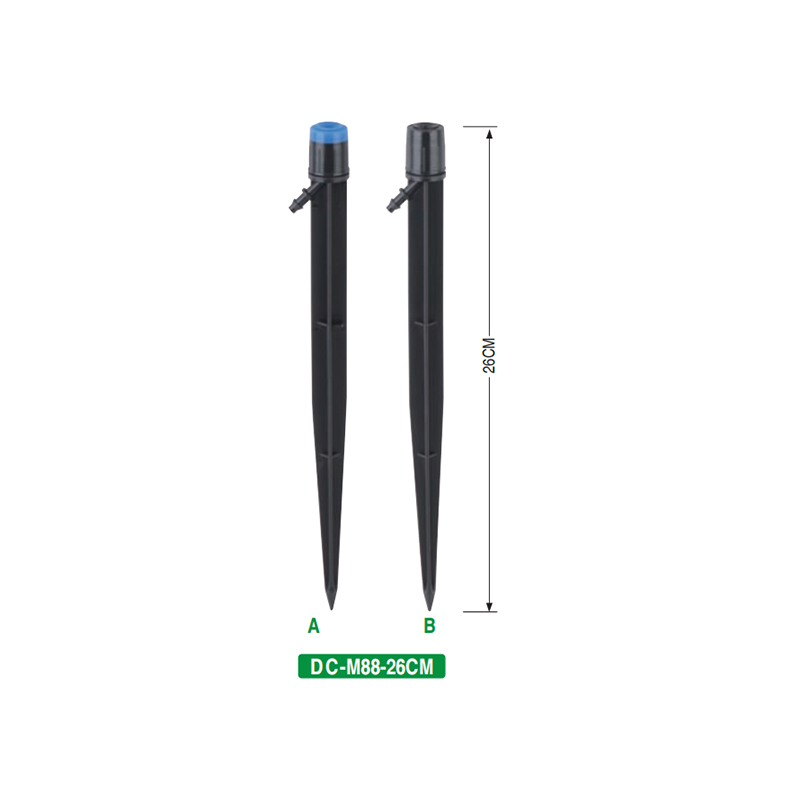
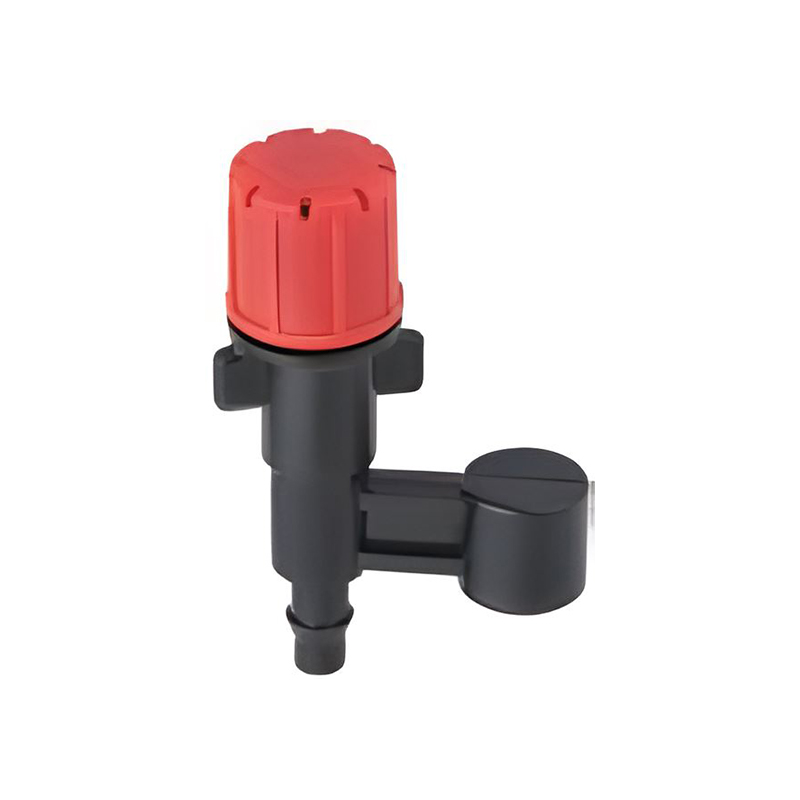
DC-M88 360° সামঞ্জস্যযোগ্য প্রবাহ (বড় বডি)
360° সামঞ্জস্যযোগ্য প্রবাহ - বিগ বডি একটি শক্তিশালী সেচ যন্ত্র যা বৃহৎ এলাকার পানির কভারেজের জন্য ডিজাইন করা হয়েছে। এর অনন্য 360° ঘূর্ণায়মান বৈশিষ্ট্য ব্যবহারকারীদের স্প্রে এবং জল প্রবাহের দিক সামঞ্জস্য করার নমনীয়তা দেয়, এটি নিশ্চিত করে যে প্রতিটি কোণে বিভিন্ন উদ্ভিদের ক্রমবর্ধমান চাহিদা মেটাতে সমান পরিমাণে জল পাওয়া যায়।
উচ্চ-শক্তি, জারা-প্রতিরোধী উপকরণ থেকে তৈরি, এই বৃহৎ স্প্রে অগ্রভাগ চমৎকার স্থায়িত্ব এবং UV প্রতিরোধের অফার করে, এটি বিভিন্ন জলবায়ুতে দীর্ঘমেয়াদী ব্যবহারের জন্য উপযুক্ত করে তোলে। এর বিশাল আয়তনের নকশাটি জলপ্রবাহের বিস্তৃত কভারেজের জন্য অনুমতি দেয়, এটিকে বাগান, লন এবং বড় বাগানের মতো জায়গায় ব্যবহারের জন্য উপযুক্ত করে তোলে। ইনস্টল করা সহজ, সেট আপ করা দ্রুত এবং রক্ষণাবেক্ষণ করা সহজ, 360° সামঞ্জস্যযোগ্য প্রবাহ অগ্রভাগ শুধুমাত্র জলের দক্ষতাকে অপ্টিমাইজ করে না, বরং সুস্থ উদ্ভিদের বৃদ্ধিকেও উৎসাহিত করে, এটিকে আধুনিক কৃষি ও উদ্যানপালনের জন্য একটি আদর্শ সেচ সমাধান করে তোলে৷
| চাপ: | 1.5~2.5 বার |
| পরিসীমা: | 1~2.5 মি |
| প্রবাহ: | 0-200 LH |
আমাদের সাথে যোগাযোগ করুন
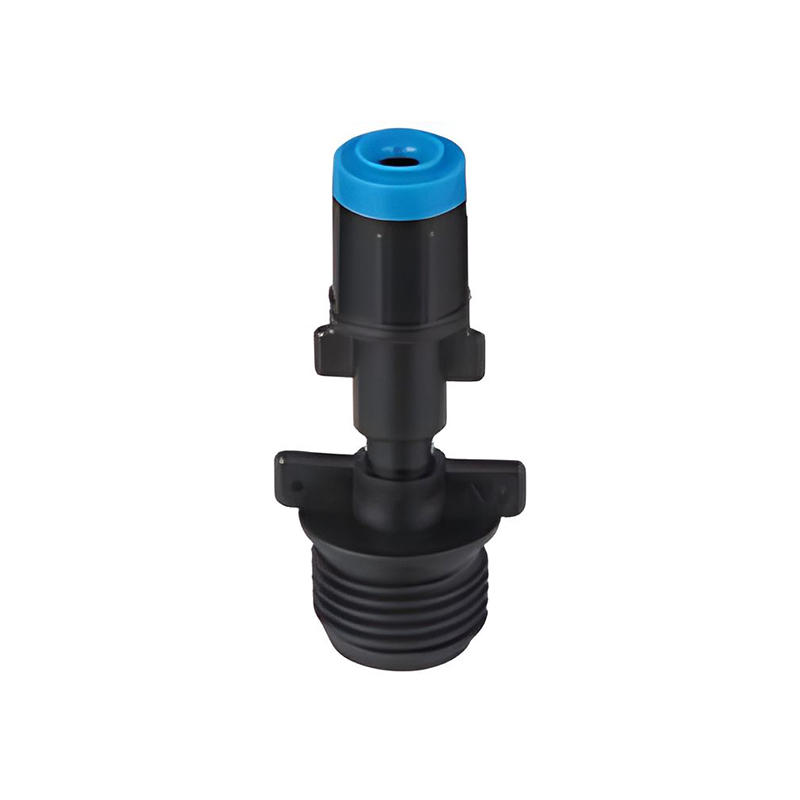
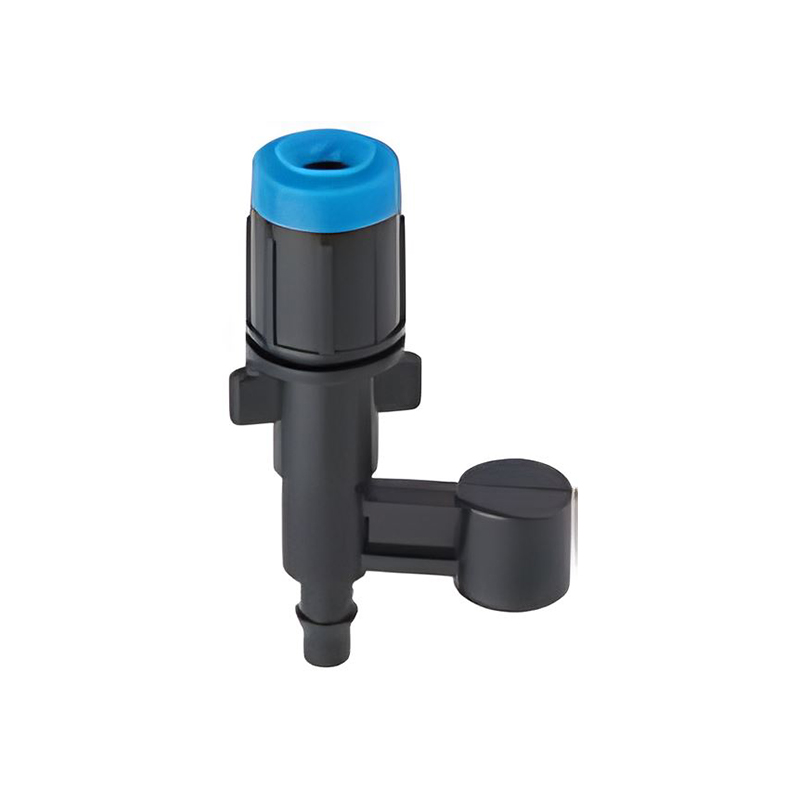
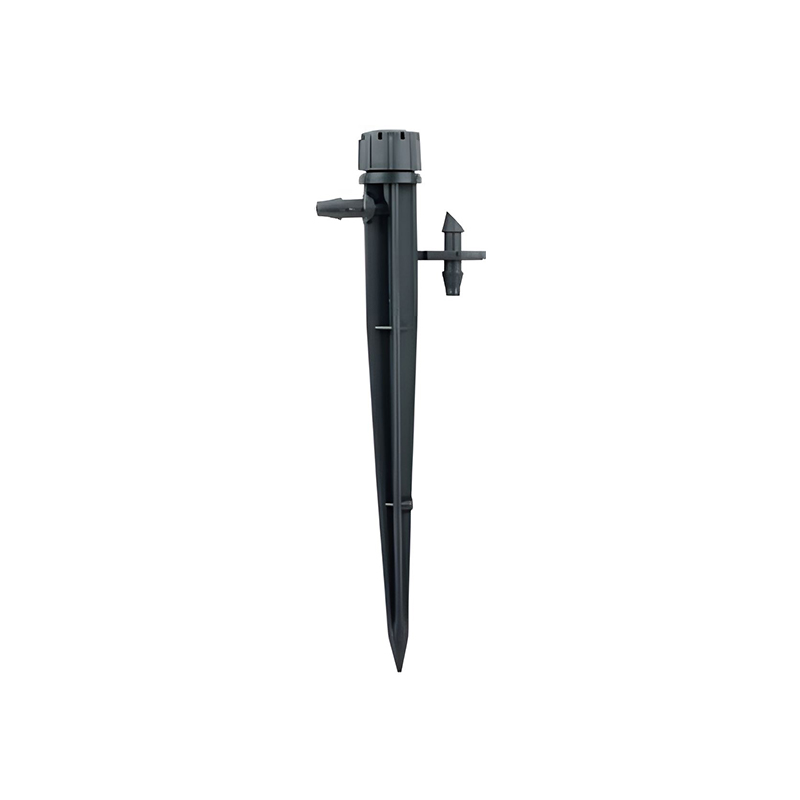
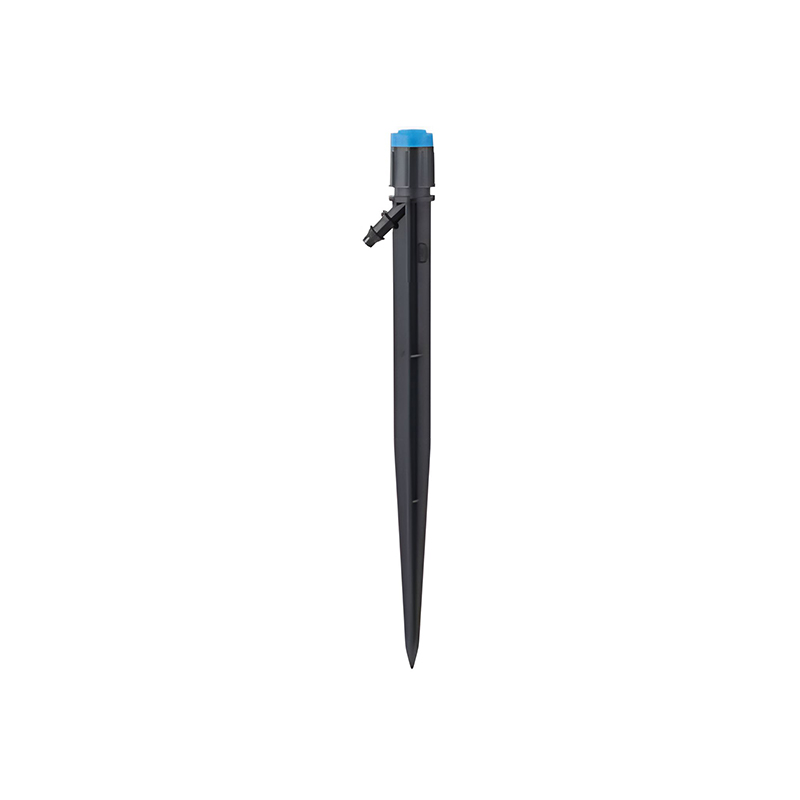
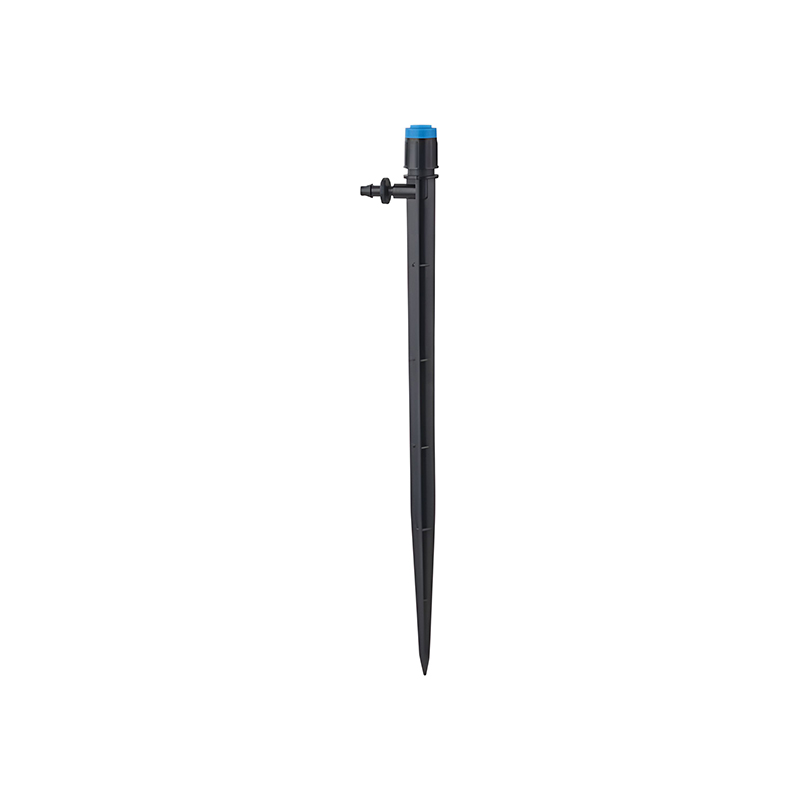
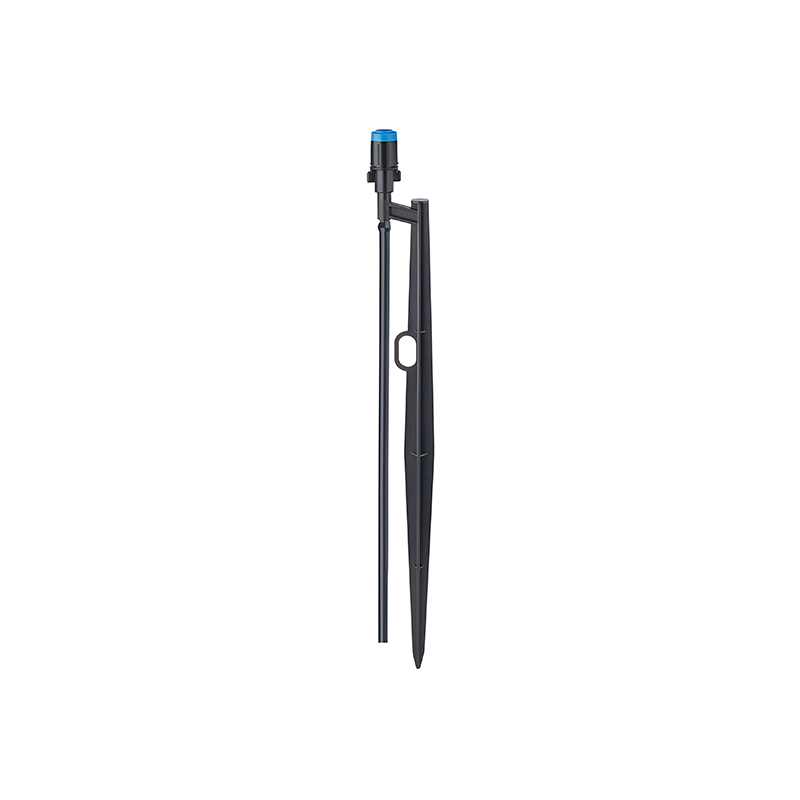
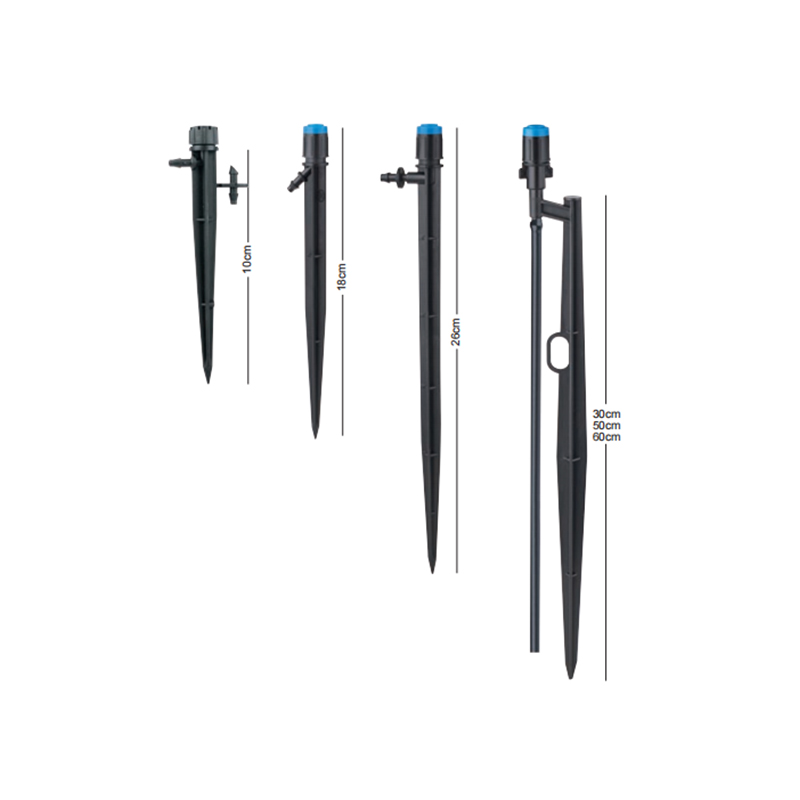
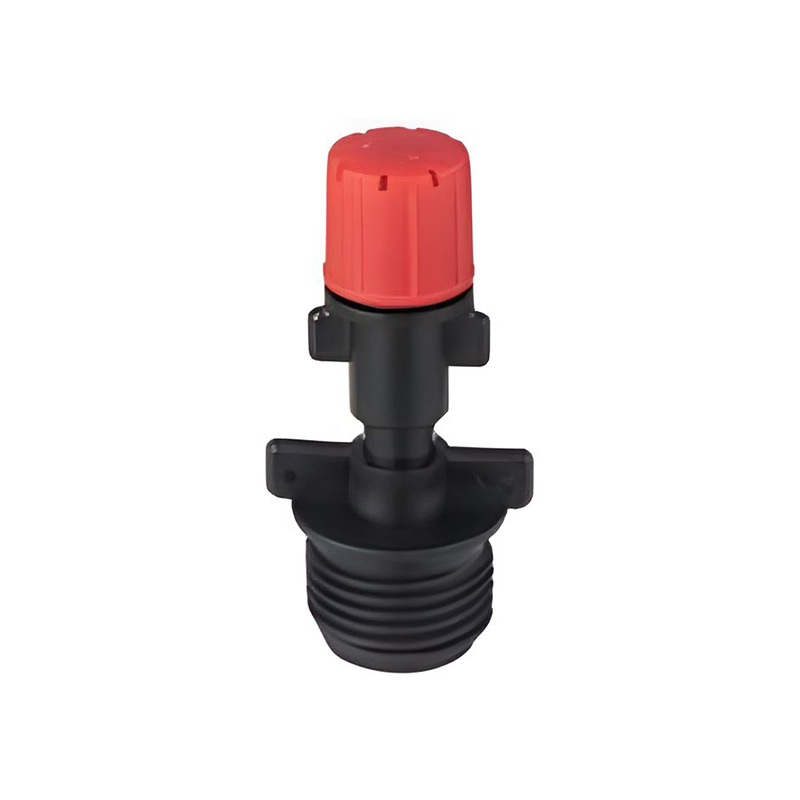
DC-M91 360° খাড়া অবস্থান সামঞ্জস্যযোগ্য প্রবাহ
360° খাড়া অবস্থান সামঞ্জস্যযোগ্য ফ্লো স্প্রিংকলার হেড একটি নমনীয় সেচ ডিভাইস যা খাড়া অবস্থানে অভিন্ন জলের কভারেজ দেওয়ার জন্য ডিজাইন করা হয়েছে। এর 360° সামঞ্জস্যতা ব্যবহারকারীকে সহজে স্প্রিংকলার হেডের স্প্রে দিক এবং জল প্রবাহের হারকে সামঞ্জস্য করতে দেয় যাতে গাছ এবং মাটির বিভিন্ন পরিস্থিতিতে সর্বোত্তম সেচের ফলাফল নিশ্চিত করা যায়।
উচ্চ-শক্তি, জারা-প্রতিরোধী উপকরণ থেকে তৈরি, স্প্রিংকলার হেড উচ্চতর স্থায়িত্ব এবং ইউভি প্রতিরোধের প্রস্তাব করে, এটি বিভিন্ন জলবায়ুতে ব্যবহারের জন্য উপযুক্ত করে তোলে। এর খাড়া নকশাটি কেবল ইনস্টলেশনের সুবিধা দেয় না, তবে জল বিতরণের অভিন্নতাকেও উন্নত করে যাতে প্রতিটি কোণে জল মসৃণভাবে প্রবাহিত হয়। উপরন্তু, ইনস্টলেশন এবং রক্ষণাবেক্ষণ সহজ এবং সহজ, এবং সমন্বয় দ্রুত করা যেতে পারে। 360° খাড়া অবস্থানে সামঞ্জস্যযোগ্য প্রবাহ অগ্রভাগ আধুনিক কৃষি এবং উদ্যানপালনের জন্য আদর্শ, যা ব্যবহারকারীদের দক্ষ জল ব্যবস্থাপনা অর্জনে এবং সুস্থ উদ্ভিদের বৃদ্ধির প্রচারে সহায়তা করে৷
| চাপ: | 1.5~2.5 বার |
| পরিসীমা: | 1~2.5 মি |
| প্রবাহ: | 0-200 LH (ও রিং সিল সহ) |
আমাদের সাথে যোগাযোগ করুন
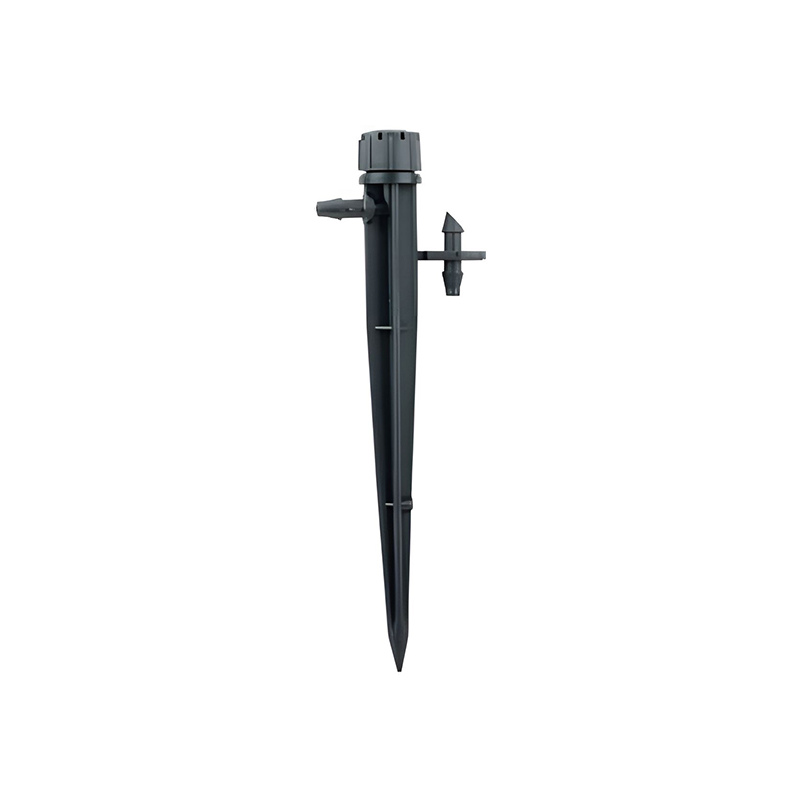
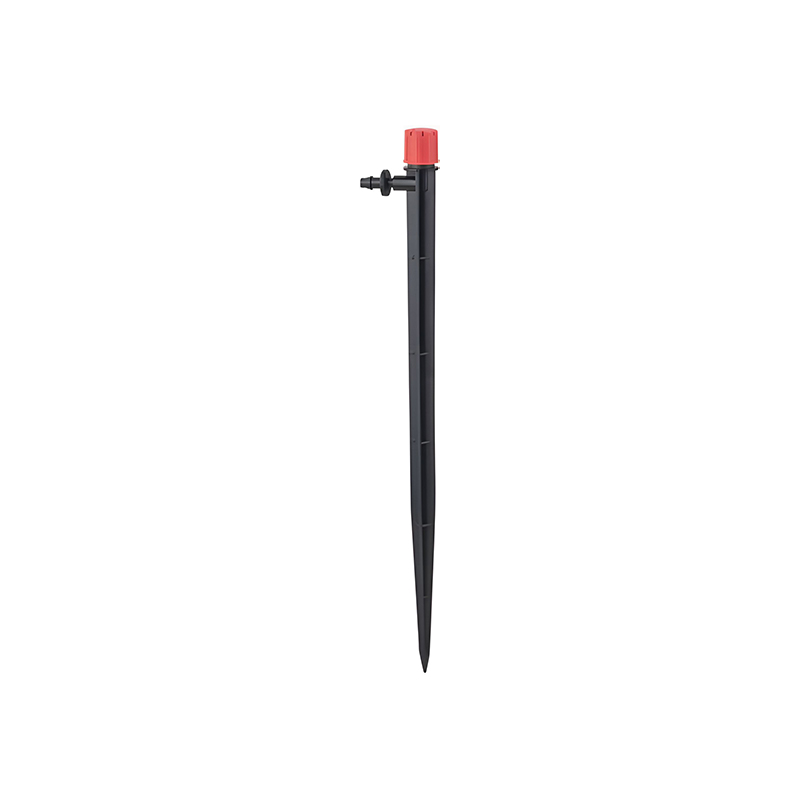
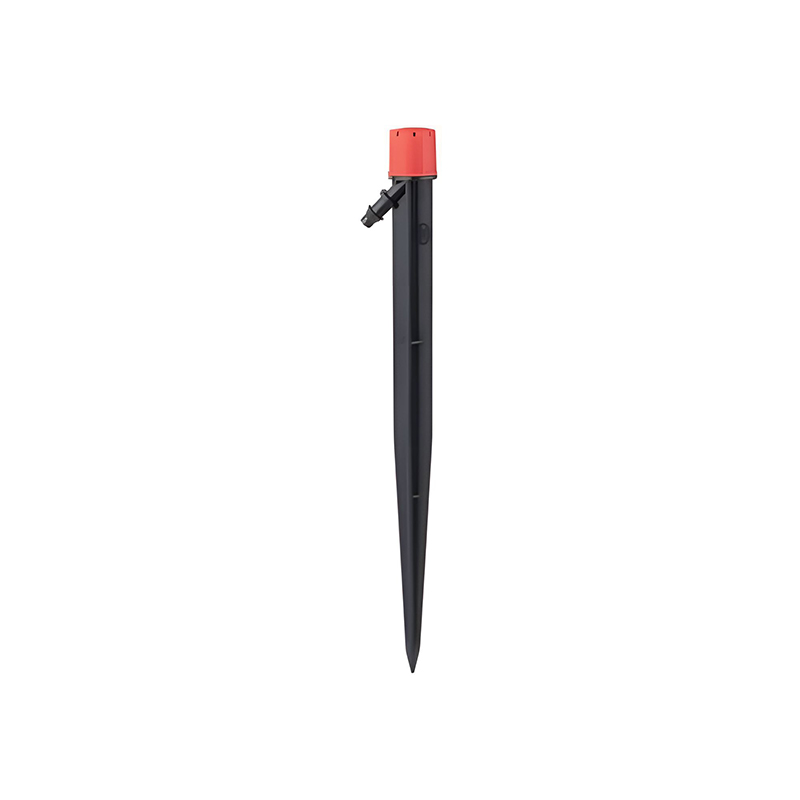
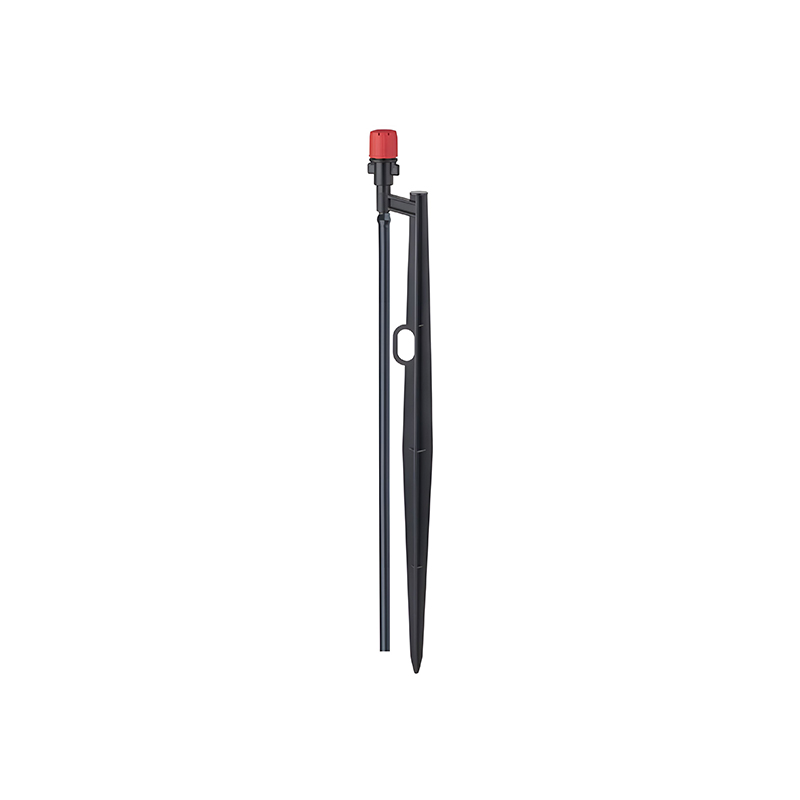
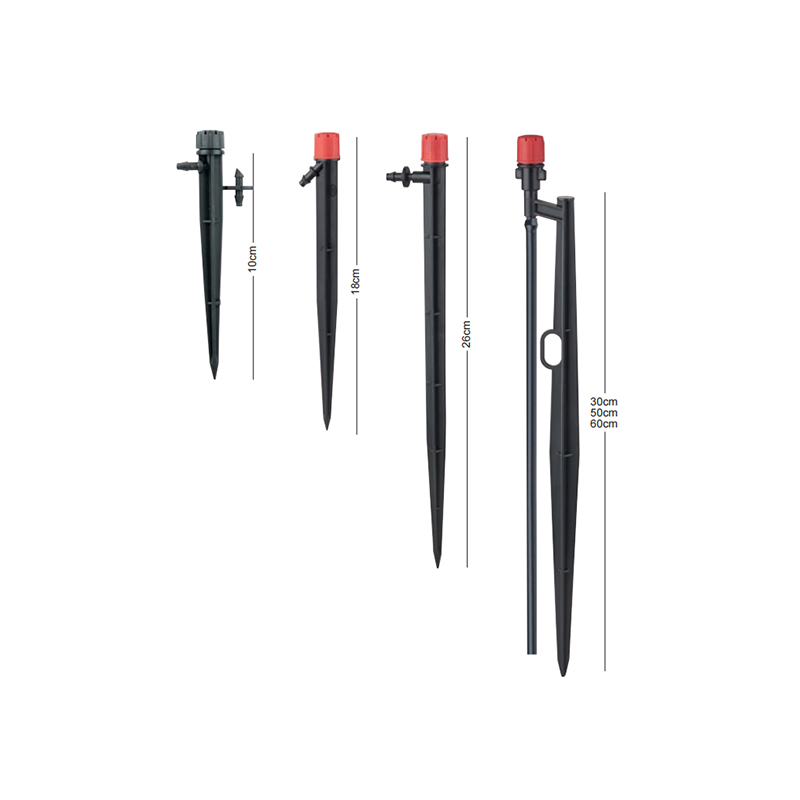
DC-M92 আট-গর্ত খাড়া টাইপ সামঞ্জস্যযোগ্য প্রবাহ
আট-গর্ত খাড়া টাইপ অ্যাডজাস্টেবল ফ্লো স্প্রিংকলার হেড নমনীয় এবং এমনকি জল কভারেজ প্রদানের জন্য নির্মিত একটি অনন্যভাবে ডিজাইন করা সেচ ডিভাইস। এর আট-গর্ত নির্মাণ নিশ্চিত করে যে জল একাধিক দিকে স্প্রে করা যেতে পারে, ব্যবহারকারীকে সহজেই প্রতিটি গর্তের প্রবাহের হারকে উদ্ভিদ এবং পরিবেশের ক্রমবর্ধমান চাহিদা অনুসারে সামঞ্জস্য করতে দেয়, যার ফলে সুনির্দিষ্ট সেচের ফলাফল পাওয়া যায়।
অগ্রভাগটি জারা-প্রতিরোধী, উচ্চ-শক্তির উপকরণ দিয়ে তৈরি করা হয়েছে চমৎকার স্থায়িত্ব এবং UV প্রতিরোধের, এটি বিভিন্ন জলবায়ু পরিস্থিতিতে দীর্ঘ সময়ের জন্য স্থিরভাবে কাজ করতে সক্ষম করে। এর সোজা নকশা শুধুমাত্র ইনস্টলেশনের সুবিধা দেয় না, তবে স্প্রিংকলার হেড ব্যবহারের সময় জলের প্রবাহের সমান বন্টনও নিশ্চিত করে। এটি ইনস্টল করা এবং রক্ষণাবেক্ষণ করা অত্যন্ত সহজ, ব্যবহারকারীদের দ্রুত স্প্রে প্যাটার্ন সেট এবং সামঞ্জস্য করার অনুমতি দেয়। আট-গর্ত খাড়া সামঞ্জস্যযোগ্য প্রবাহ অগ্রভাগ আধুনিক কৃষি এবং উদ্যানপালনের জন্য একটি আদর্শ সমাধান প্রদান করে, ব্যবহারকারীদের কার্যকরভাবে জল সম্পদ পরিচালনা করতে এবং সুস্থ উদ্ভিদ বৃদ্ধির প্রচার করতে সহায়তা করে৷
| চাপ: | 1.5~2.5 বার |
| পরিসীমা: | 1~2.5 মি |
| প্রবাহ: | 0-200 LH (ও রিং সিল সহ) |
আমাদের সাথে যোগাযোগ করুন
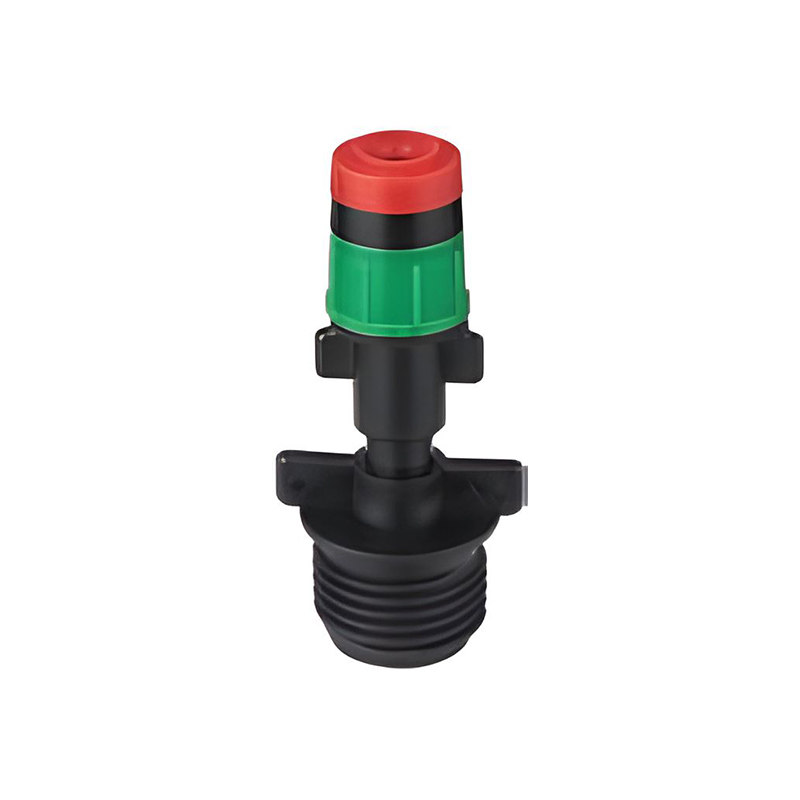
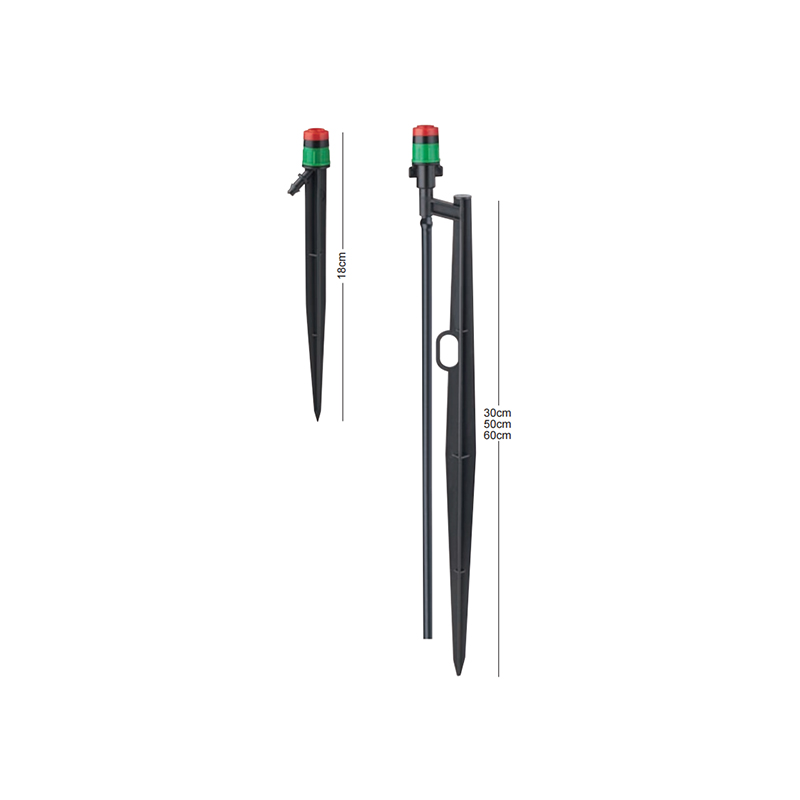
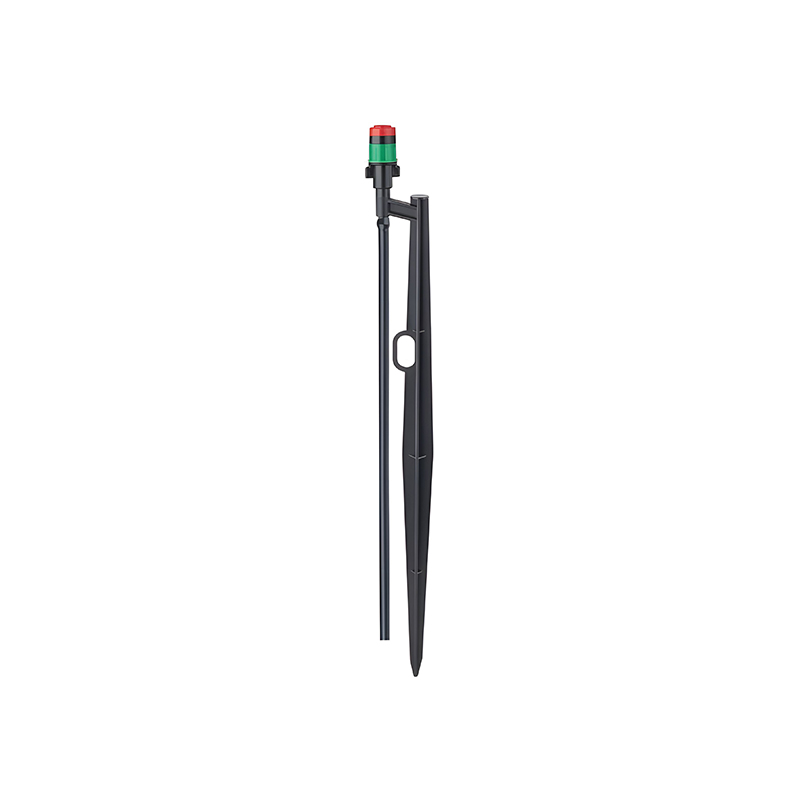
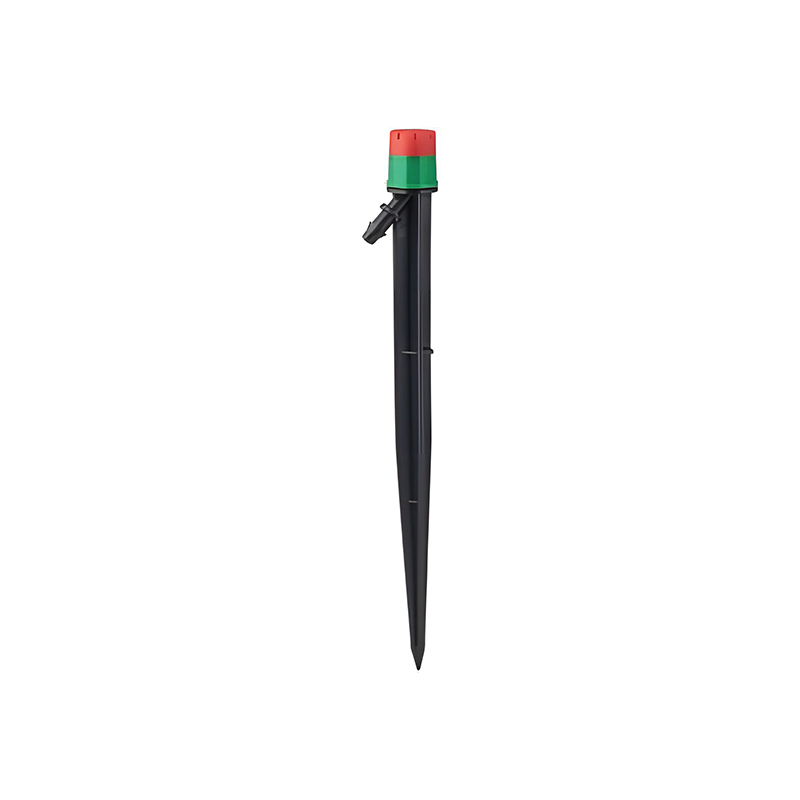
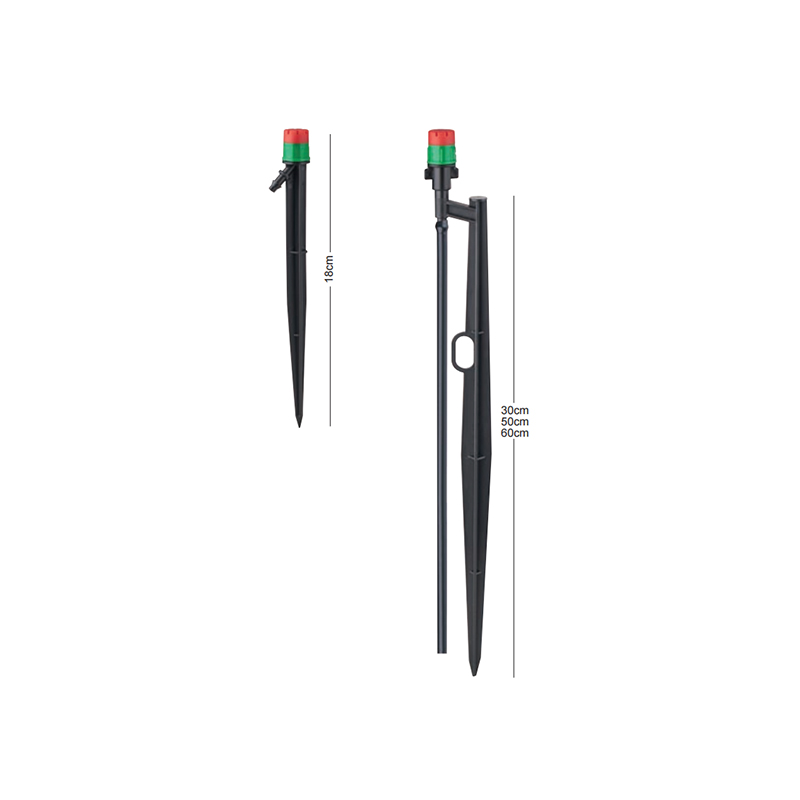
DC-M89 360°PC ড্রিপার
360° প্রেসার কমপেনসেটেড ফাউন্টেন স্প্রিংকলার (360° PC Dripper) একটি উন্নত সেচ যন্ত্র যা নিয়মিত পানি প্রবাহ এবং এমনকি পানি বন্টন নিশ্চিত করার জন্য ডিজাইন করা হয়েছে। এর চাপের ক্ষতিপূরণ বৈশিষ্ট্যটি নিশ্চিত করে যে স্প্রিংকলার হেড বিভিন্ন জলের চাপের পরিস্থিতিতে জলের একটি ধারাবাহিক প্রবাহ বজায় রাখে, কার্যকরভাবে জলের চাপের ওঠানামার কারণে অসম সেচের সমস্যা সমাধান করে।
এই স্প্রিংকলার হেডের 360-ডিগ্রি স্প্রে ডিজাইন এটিকে বিস্তৃত গাছপালা এবং মাটির ধরনগুলিতে সমানভাবে জল সরবরাহ করতে সক্ষম করে। উচ্চতর স্থায়িত্ব এবং UV প্রতিরোধের সাথে জারা-প্রতিরোধী উপকরণ থেকে তৈরি, এটি বিভিন্ন জলবায়ুতে দীর্ঘ সময়ের জন্য ব্যবহার করা যেতে পারে। ইনস্টল করা এবং রক্ষণাবেক্ষণ করা সহজ, ব্যবহারকারীরা সহজেই স্প্রে কোণ এবং প্রবাহের হার সামঞ্জস্য করতে পারে। 360° চাপের ক্ষতিপূরণযুক্ত ঝর্ণা অগ্রভাগ শুধুমাত্র জল ব্যবহারের দক্ষতাই উন্নত করে না, কিন্তু কার্যকরভাবে উদ্ভিদের সুস্থ বৃদ্ধিকেও উৎসাহিত করে, যা আধুনিক কৃষি ও উদ্যানপালনে একটি অপরিহার্য সেচ সমাধান।
| A | B | |
| চাপ: | 2-3 বার | 2-3 বার |
| স্প্রে করার ব্যাসার্ধ: | 0.8 মি | 1মি |
| প্রবাহ: | 48 এলএইচ | 60 LH |
আমাদের সাথে যোগাযোগ করুন
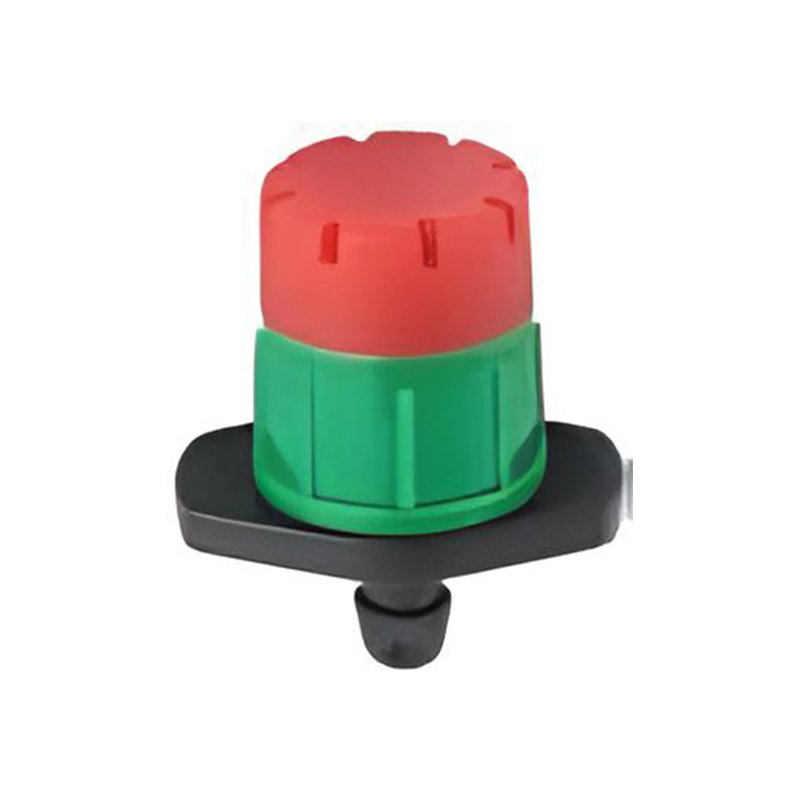
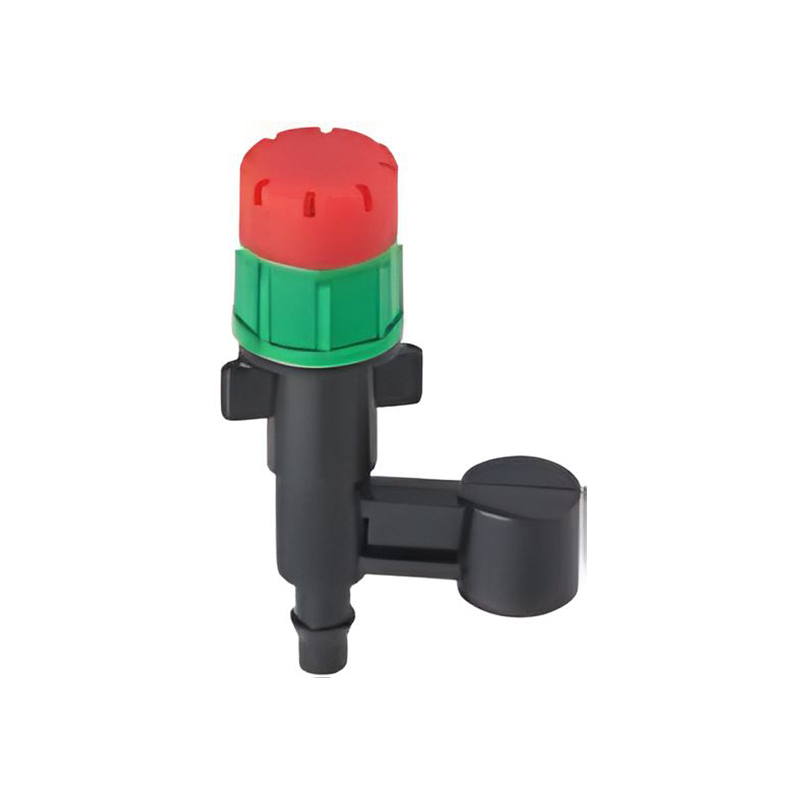
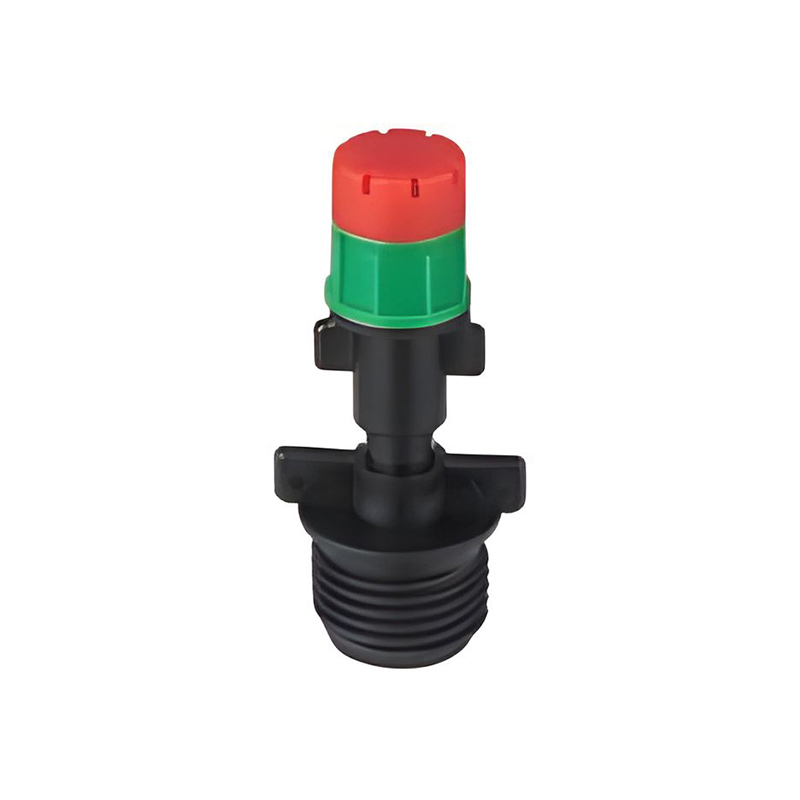
DC-M90 আট-গর্ত পিসি ড্রিপার
আট-হোলস প্রেসার কমপেনসেটিং ড্রিপার (এইট-হোলস পিসি ড্রিপার) হল একটি উদ্ভাবনী সেচ যন্ত্র যা একটি সমান, সামঞ্জস্যপূর্ণ জল সরবরাহ করার জন্য ডিজাইন করা হয়েছে। এর অনন্য আট-গর্ত নকশা একাধিক ছিদ্রের মাধ্যমে সমানভাবে জল স্প্রে করার অনুমতি দেয়, যা উদ্ভিদ এবং মাটির বিভিন্ন পরিস্থিতিতে সর্বোত্তম সেচের ফলাফল নিশ্চিত করে। চাপের ক্ষতিপূরণকারী প্রযুক্তির সাহায্যে, এই ড্রিপারটি জলের চাপের ওঠানামার কারণে অসম সেচ প্রতিরোধ করে, জলের চাপের অবস্থার বিস্তৃত পরিসরে একটি ধারাবাহিক জল প্রবাহের হার বজায় রাখে।
আট-গর্ত চাপ-ক্ষতিপূরণযুক্ত ড্রিপ টিপটি উচ্চ-শক্তি, জারা-প্রতিরোধী উপাদান দিয়ে তৈরি যা চমৎকার স্থায়িত্ব এবং ইউভি প্রতিরোধের সাথে এটিকে বিস্তৃত জলবায়ু পরিস্থিতিতে দীর্ঘমেয়াদী ব্যবহারের জন্য উপযুক্ত করে তোলে। এর সহজ ইনস্টলেশন ব্যবহারকারীদের দ্রুত কনফিগার করতে এবং বিভিন্ন রোপণের প্রয়োজন অনুসারে ড্রিপ অবস্থান সামঞ্জস্য করতে দেয়। উপরন্তু, এই ড্রিপ হেডের নকশাটি কার্যকরভাবে জল ব্যবহারের দক্ষতা উন্নত করে, ব্যবহারকারীদের আরও ভালভাবে জল পরিচালনা করতে এবং স্বাস্থ্যকর উদ্ভিদের বৃদ্ধির প্রচারে সহায়তা করে, এটি আধুনিক কৃষি ও উদ্যানপালনের একটি আদর্শ পছন্দ করে তোলে৷
| A | B | |
| চাপ: | 2-3 বার | 2-3 বার |
| স্প্রে করার ব্যাসার্ধ: | 0.3 মি | 0.5 মি |
| প্রবাহ: | 48 এলএইচ | 60 LH |
আমাদের সাথে যোগাযোগ করুন
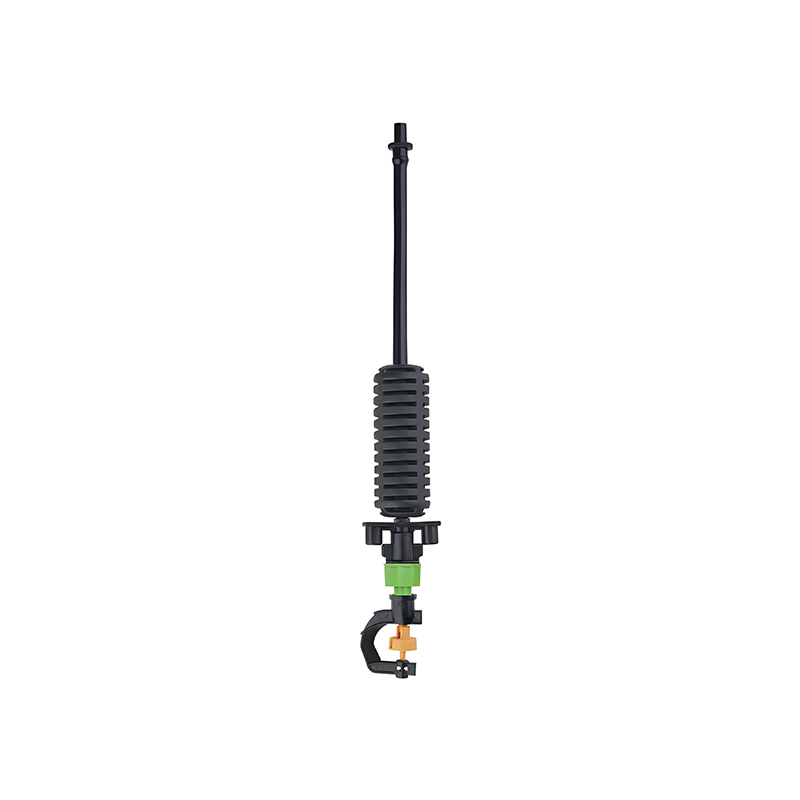
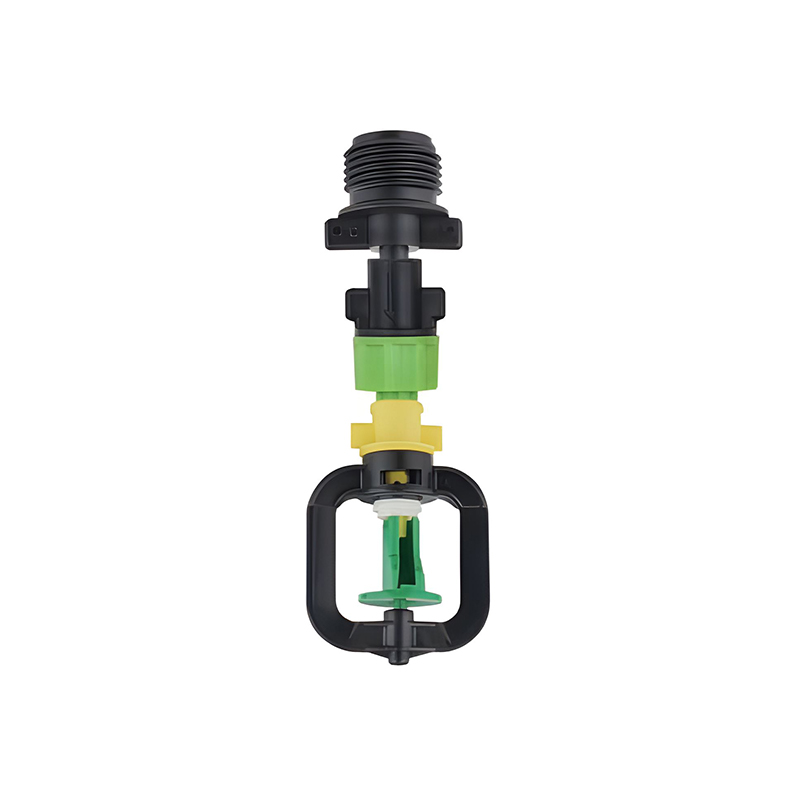
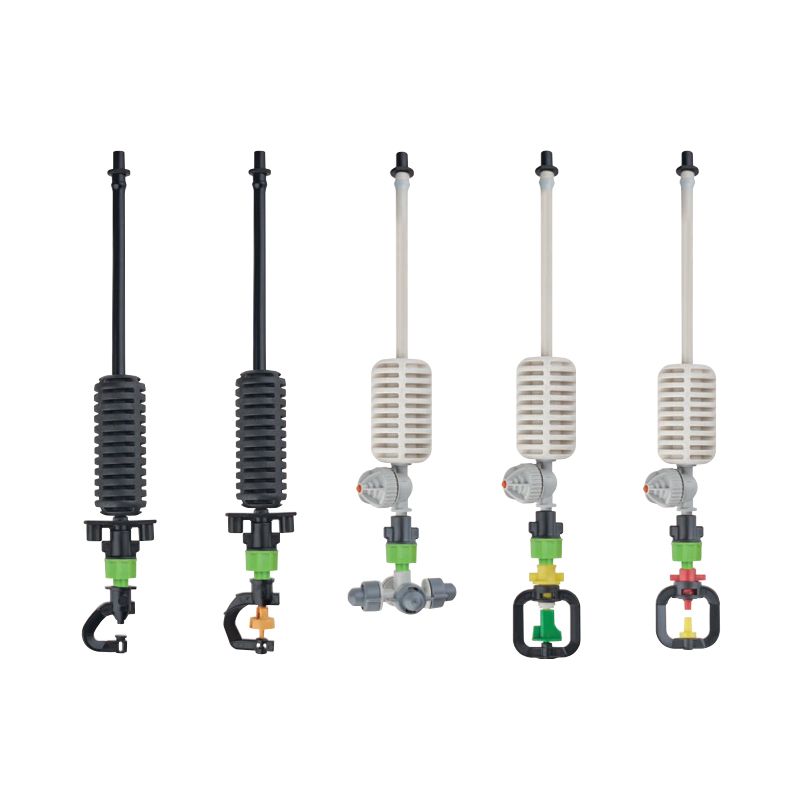
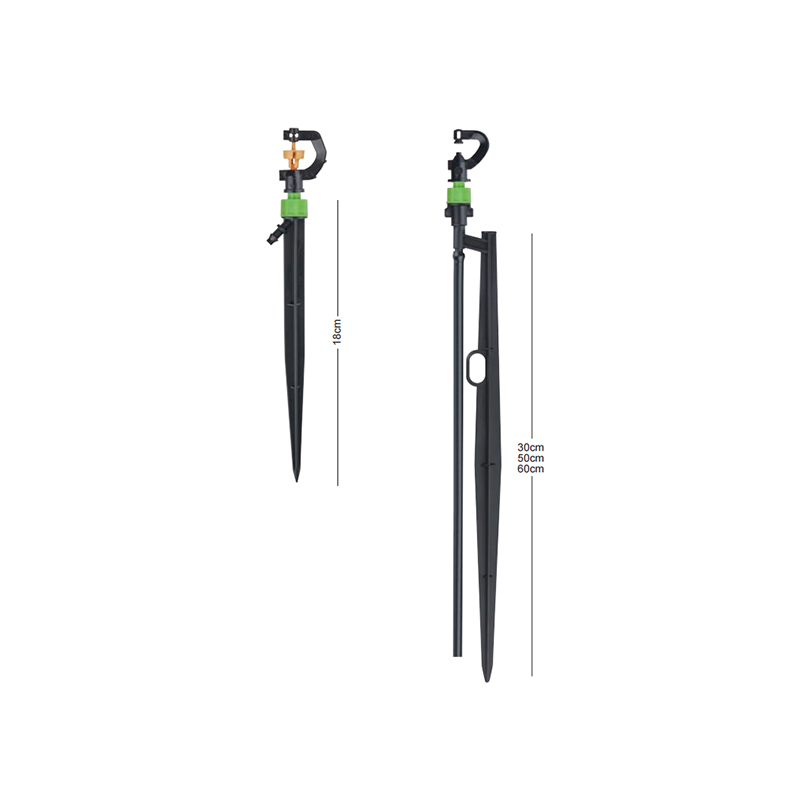
DC-M96 পিসি অ্যাডাপ্টার
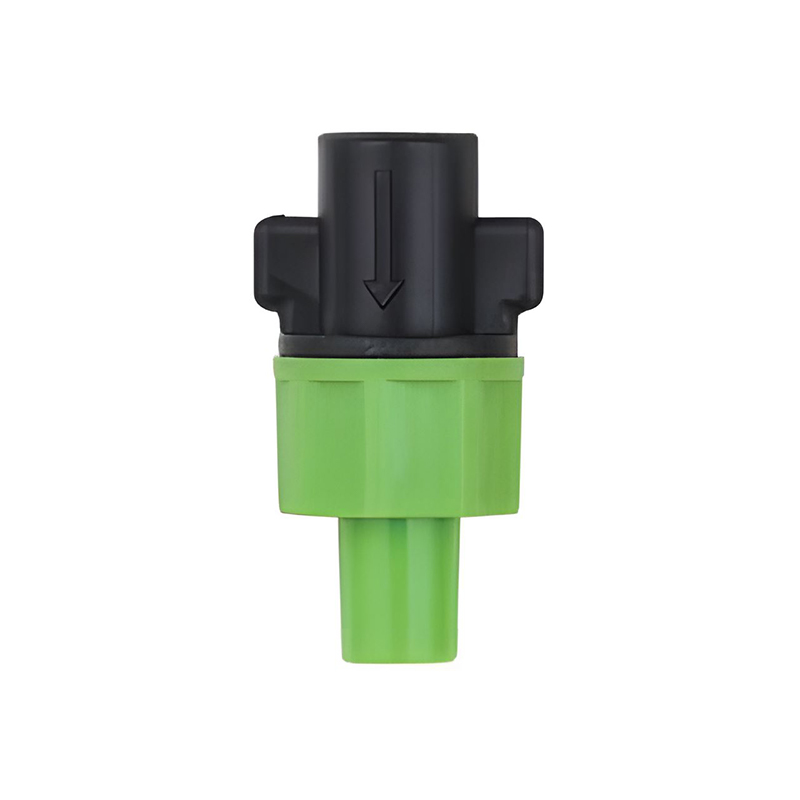
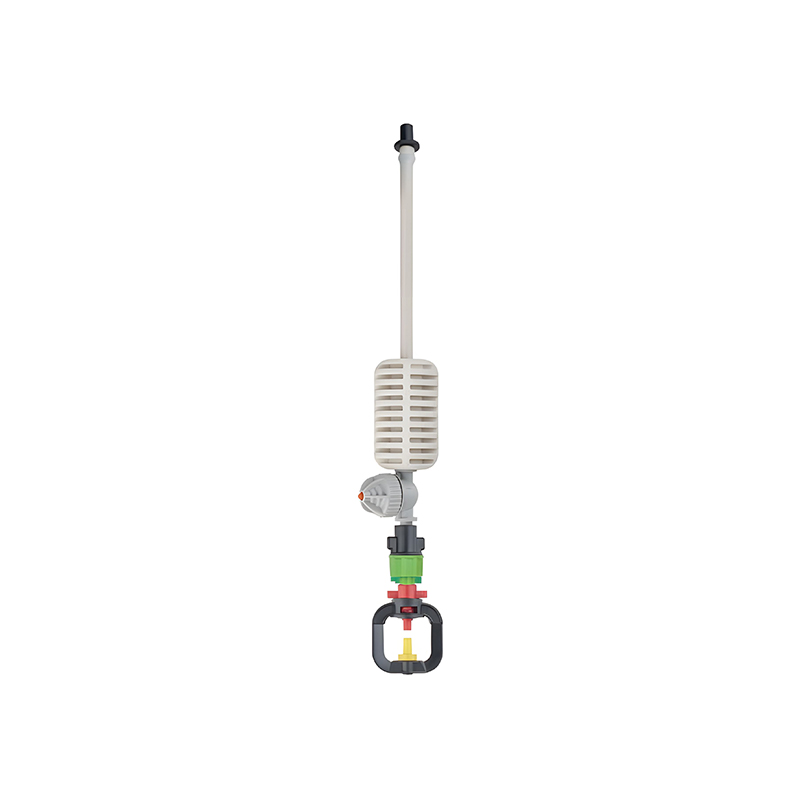
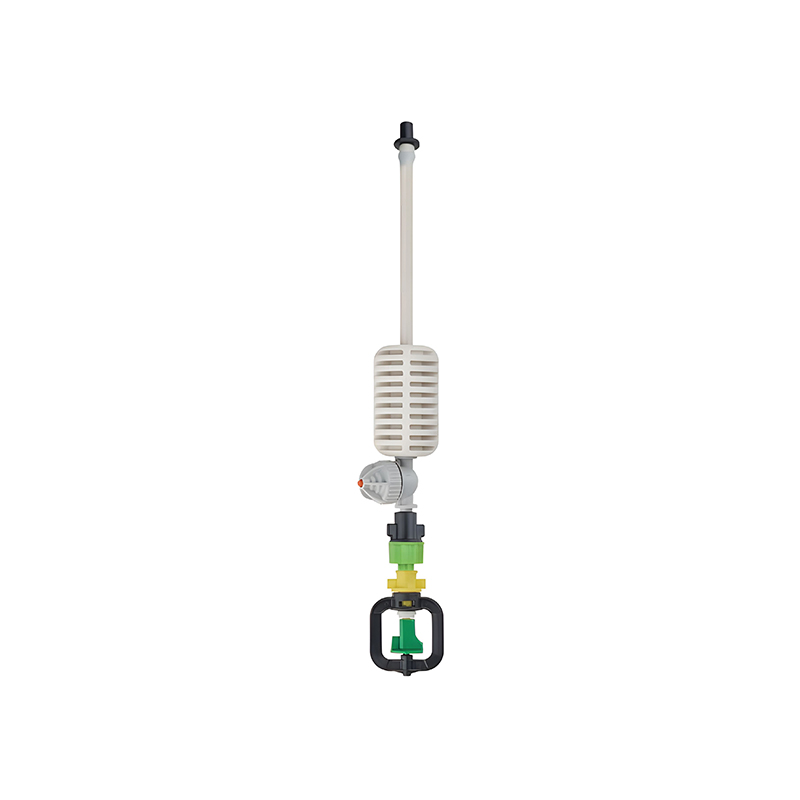
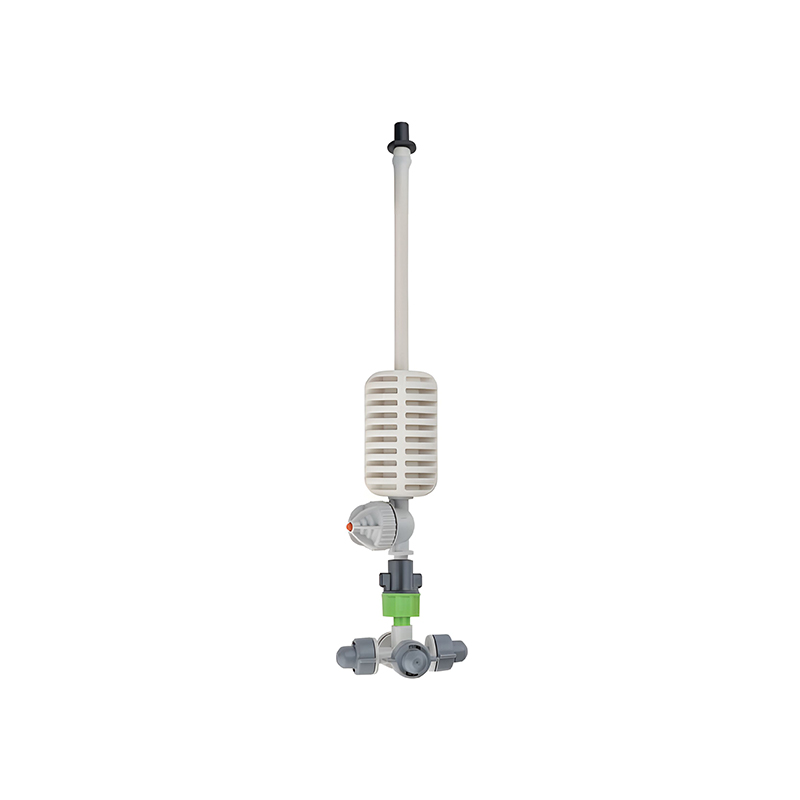
প্রেসার কমপেনসেটেড অ্যাডাপ্টার (পিসি অ্যাডাপ্টর) হল একটি অত্যন্ত দক্ষ সেচের আনুষঙ্গিক যা জলের প্রবাহকে অপ্টিমাইজ করতে এবং সেচ ব্যবস্থার স্থিতিশীলতা উন্নত করার জন্য ডিজাইন করা হয়েছে। উন্নত চাপের ক্ষতিপূরণ প্রযুক্তি ব্যবহার করে, অ্যাডাপ্টার স্বয়ংক্রিয়ভাবে জলের প্রবাহকে বিভিন্ন জলের চাপের পরিস্থিতিতে সামঞ্জস্য করে, সেচ ব্যবস্থার সমস্ত পয়েন্টে সুসংগত জল সরবরাহ নিশ্চিত করে এবং জলের চাপের ওঠানামার কারণে অসম সেচ এড়ায়।
সাধারণত জারা-প্রতিরোধী, উচ্চ-শক্তির উপকরণ থেকে তৈরি, এই অ্যাডাপ্টারগুলি চমৎকার স্থায়িত্ব এবং UV প্রতিরোধের অফার করে, এগুলিকে বিস্তৃত পরিবেশ এবং জলবায়ুতে ব্যবহারের জন্য উপযুক্ত করে তোলে। এগুলি দ্রুত এবং সহজ ইনস্টলেশনের জন্য ডিজাইন করা হয়েছে এবং সহজেই বিদ্যমান সেচ ব্যবস্থার সাথে সংযুক্ত করা যেতে পারে। চাপ-ক্ষতিপূরণপ্রাপ্ত অ্যাডাপ্টারগুলি কেবল জল ব্যবহারের দক্ষতাই উন্নত করে না, তবে সেচ ব্যবস্থার জীবনকে কার্যকরভাবে প্রসারিত করে, আধুনিক কৃষি এবং উদ্যানপালনের জন্য একটি আদর্শ সমাধান প্রদান করে৷
| A | B | |
| চাপ: | 2-3 বার | 2-3 বার |
| প্রবাহ: | 48 L/H | 60 L/H |
আমাদের সাথে যোগাযোগ করুন
আমাদের সম্পর্কে
Ningbo Dewo Irrigation Equipment Co., Ltd.
Ningbo Dewo Irrigation Equipment Co., Ltd. is China ল্যান্ডস্কেপ ড্রিপার্স সিরিজ Suppliers and ল্যান্ডস্কেপ ড্রিপার্স সিরিজ Company, in Yuyao City, Ningbo, Zhejiang Province. It is adjacent to the two major ports of Ningbo and Shanghai and has very convenient transportation.
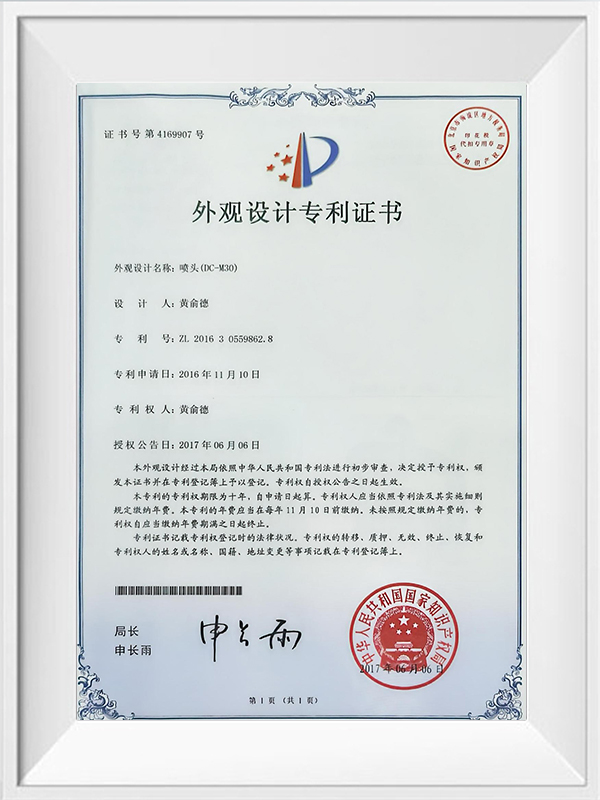
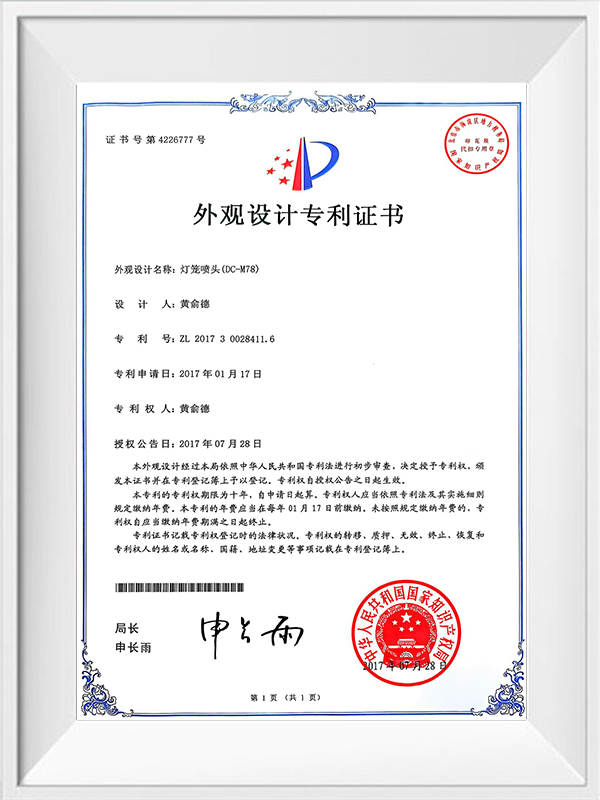
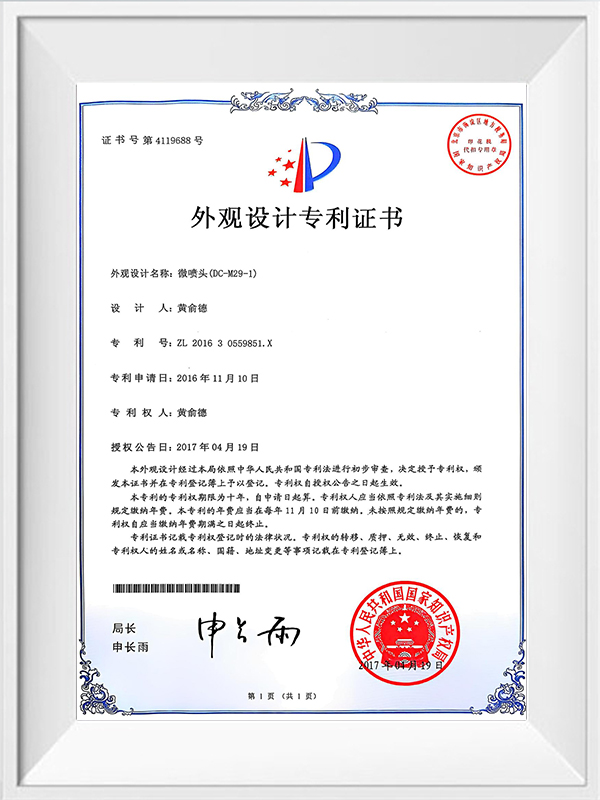
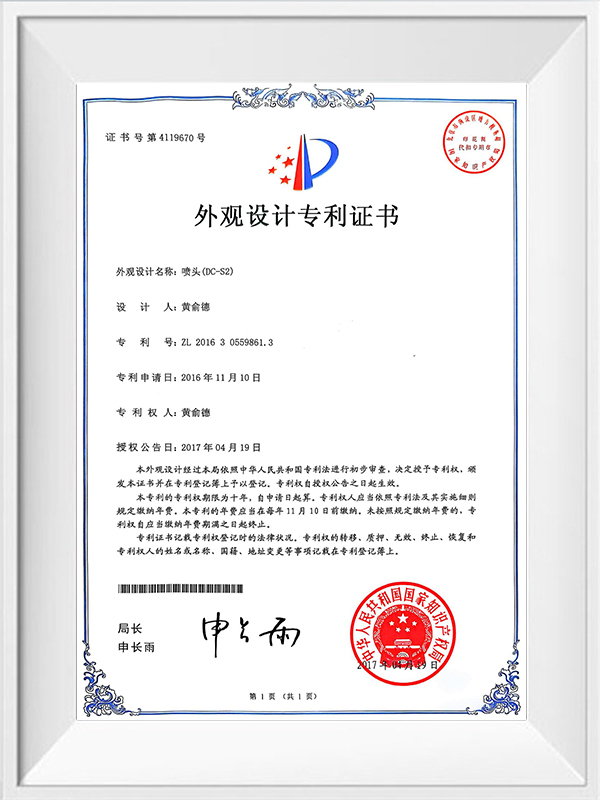
20 বছরের পেশাদার উত্পাদন অভিজ্ঞতার সাথে, এটি একটি আনুষ্ঠানিক প্রস্তুতকারক যা পণ্যের নকশা, গবেষণা ও উন্নয়ন, উত্পাদন এবং বিক্রয়কে একীভূত করে। এটি বিভিন্ন জল-সঞ্চয়কারী সেচ পণ্যের উৎপাদন এবং বিক্রয়ে বিশেষজ্ঞ।
Dewo Irrigation 15,000 বর্গ মিটার এলাকা জুড়ে। গ্রাহকের অর্ডারের গুণমান এবং ডেলিভারি সময় নিশ্চিত করতে এটিতে ইনজেকশন ছাঁচ উত্পাদন, সমাবেশ এবং পরীক্ষার মতো সরঞ্জামগুলির একটি সম্পূর্ণ সেট রয়েছে।
ক্রমাগত এবং কার্যকরভাবে ISO9001 মান ব্যবস্থাপনা সিস্টেম পরিচালনা করে, গ্রাহকের চাহিদা পূরণের জন্য প্রয়োজনীয় শর্ত প্রদান করে।
আমাদের কোম্পানী সর্বদা "জল সংরক্ষণ" কে তার ধারণা হিসাবে এবং "সততা প্রথম, গুণমান প্রথম" এর ধারণা হিসাবে নিয়েছে। আমরা আন্তরিক সহযোগিতা, দীর্ঘমেয়াদী সহযোগিতা, এবং দেশে এবং বিদেশে সকল স্তরের বন্ধুদের সাথে বিজয়ী উন্নয়নের জন্য উন্মুখ।
পুণ্য সর্বত্র, এবং উর্বর ক্ষেত্র হাজার হাজার মাইল দূরে! পুণ্যের উপর ভিত্তি করে, আমরা উর্বর ক্ষেতের জন্য একসাথে কাজ করব!
খবর
-
একটি স্প্রিংকলার সিস্টেম ডিজাইন করা একটি ব্যবহারিক কাজ, অনুমান করার খেলা নয়। সঠিক নকশা দিয়ে শুরু হয় তিনটি পরিমাপ : উপলব্ধ জলের চাপ, প্রবাহের হার এবং আপনার এলাকা...
READ MORE -
ড্রিপ ইরিগেশন কিভাবে: সামনের নিচের লাইন একটি ড্রিপ ইরিগেশন সিস্টেম কাজ করে যখন আপনি প্রকৃত রুট জোনের চারপাশে লেআউট পরিকল্পনা করেন, আপনার জলের চাপ এবং প্রবাহের হারের সাথ...
READ MORE -
সংক্ষিপ্ত উত্তর: ড্রিপ ইরিগেশন সিস্টেম কীভাবে ইনস্টল করবেন বেশিরভাগ আবাসিক এবং বাণিজ্যিক ড্রিপ সিস্টেমের জন্য মূল ইনস্টলেশন পদ্ধতি একই। আপনি লেআউটের পরিকল্পনা করুন, একট...
READ MORE -
বেশিরভাগ ড্রিপ সেচ ব্যবস্থা প্রতি জলচক্রে 1 থেকে 4 ঘন্টা চালানো উচিত , কিন্তু সঠিক সময় একটি নির্দিষ্ট সংখ্যা নয়। নির্ভরযোগ্য উপায় হল উদ্ভিদের আসলে কতটা জলের প্রয়...
READ MORE -
আপনার বাগানের জন্য একটি ড্রিপ সেচ ব্যবস্থা স্থাপন করা একটি সহজবোধ্য প্রকল্প। আপনি একটি পেশাদারী ইনস্টলার বা একটি বড় বাজেট প্রয়োজন নেই. একটি সুস্পষ্ট পরিকল্পনা, কয়েকটি মানক...
READ MORE
সম্পর্কিত পণ্য
-
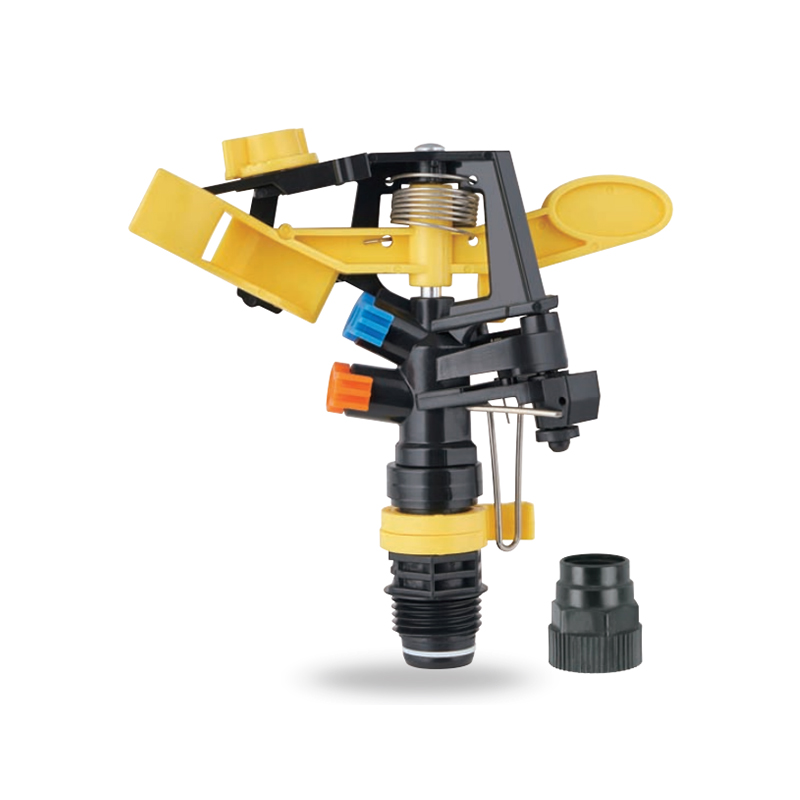
কৃষি সেচের জন্য ইমপ্যাক্ট স্প্রিঙ্কলার হল একটি সাধারণ এবং দক্ষ কৃষি সেচ সরঞ্জাম যা কৃষি জমির বৃহৎ এলাকার জন্য ডিজাইন করা হয়েছে। এর অনন্য কাঠামো সমানভাবে ঘূর্ণায়মান এবং জল স্প্রে করে একটি বৃহৎ এলা...
See Details -
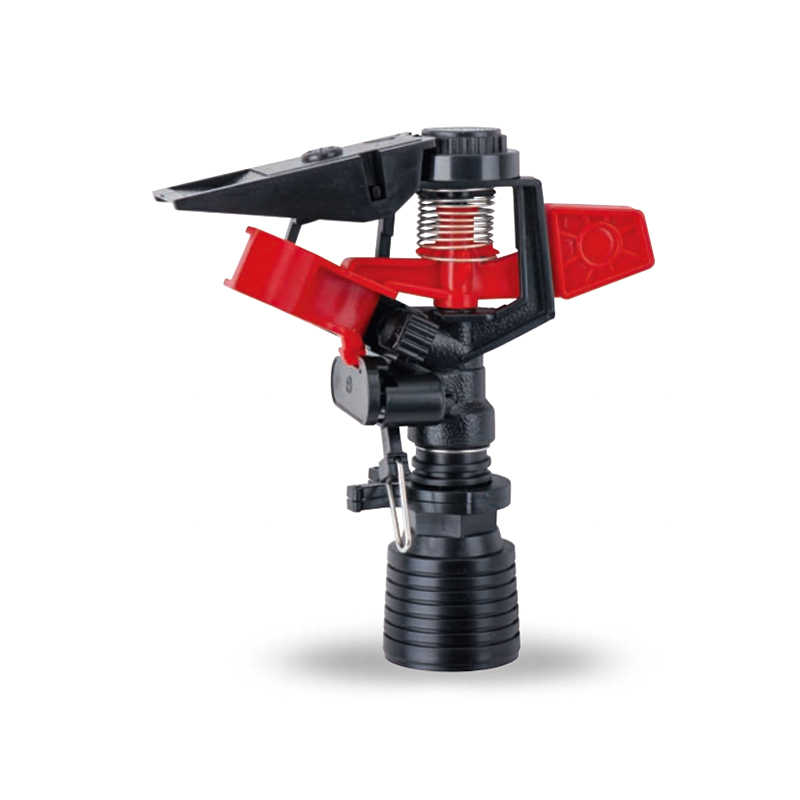
এই 360 ডিগ্রী সামঞ্জস্যযোগ্য রকার আর্ম নজল ইমপ্যাক্ট স্প্রিঙ্কলার হল একটি সেচ ব্যবস্থার একটি অপরিহার্য অংশ যা বিস্তৃত উদ্যানগত এবং কৃষি চাহিদা মেটাতে ডিজাইন করা হয়েছে। এর নমনীয় সামঞ্জস্য ব্যবস্থা...
See Details -
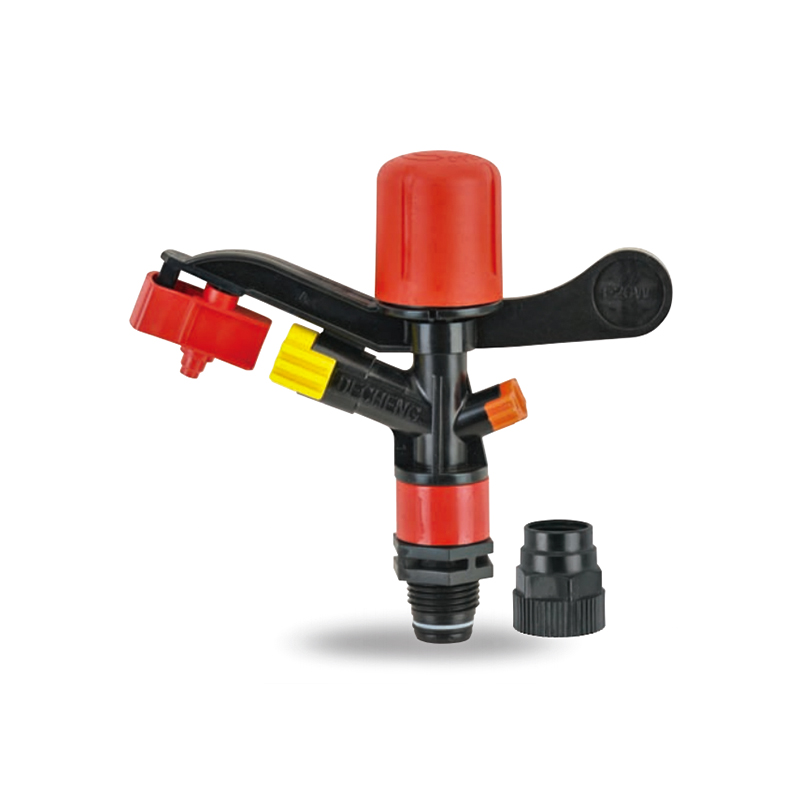
প্লাস্টিক ফুল-সার্কেল ইমপ্যাক্ট স্প্রিঙ্কলার স্প্রেয়ার একটি অত্যন্ত দক্ষ পূর্ণ-বৃত্ত সেচ ডিভাইস যা এমনকি আর্দ্রতা কভারেজ প্রদানের জন্য ডিজাইন করা হয়েছে। এর লাইটওয়েট প্লাস্টিকের উপাদান এই স্প্রিং...
See Details -
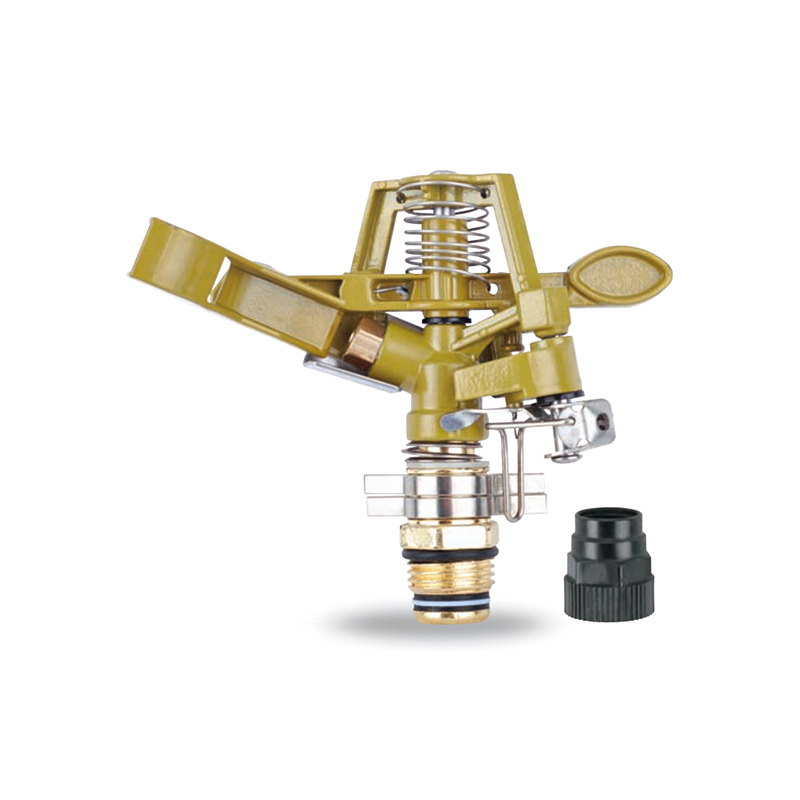
সেচ ব্যবস্থা সামঞ্জস্যযোগ্য হেড মোবাইল রোটারি জিঙ্ক স্প্রিংকলার একটি দক্ষ রোটারি স্প্রিংকলার যা নমনীয় সেচের প্রয়োজনের জন্য ডিজাইন করা হয়েছে। এর সামঞ্জস্যযোগ্য হেড ব্যবহারকারীকে সহজেই গাছের চাহিদ...
See Details -
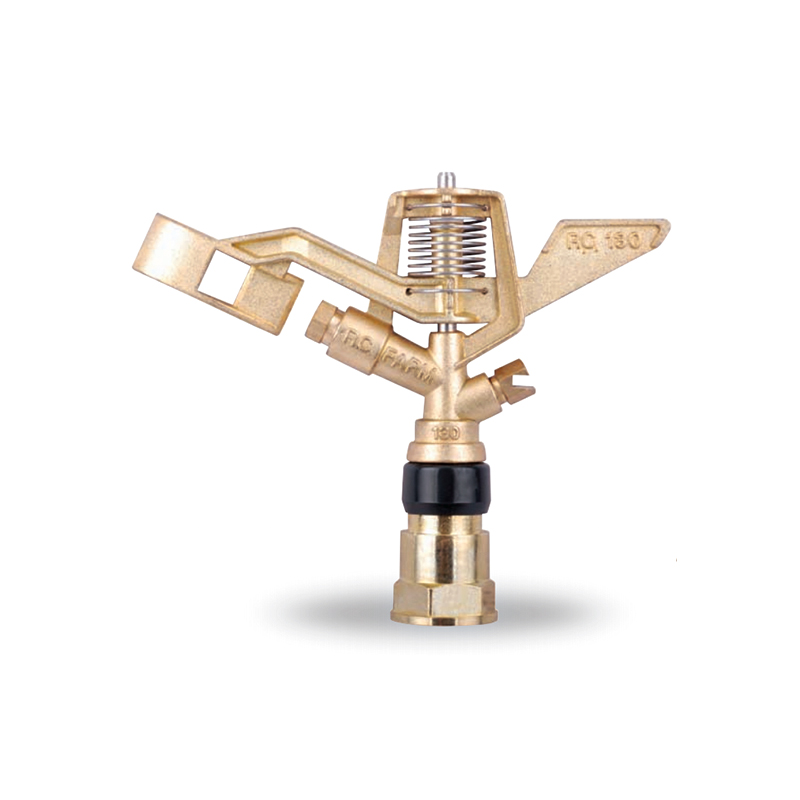
এই 3/4" জিঙ্ক অ্যালয় সুইভেল আর্ম ইরিগেশন ওয়াটারিং সিস্টেম ইমপ্যাক্ট স্প্রিঙ্কলার তার উচ্চতর স্থায়িত্ব এবং ক্ষয় প্রতিরোধের কারণে কৃষি সেচ ব্যবস্থার জন্য আদর্শ। এর শ্রমসাধ্য নির্মাণ উচ্চ-তীব্রতার...
See Details -
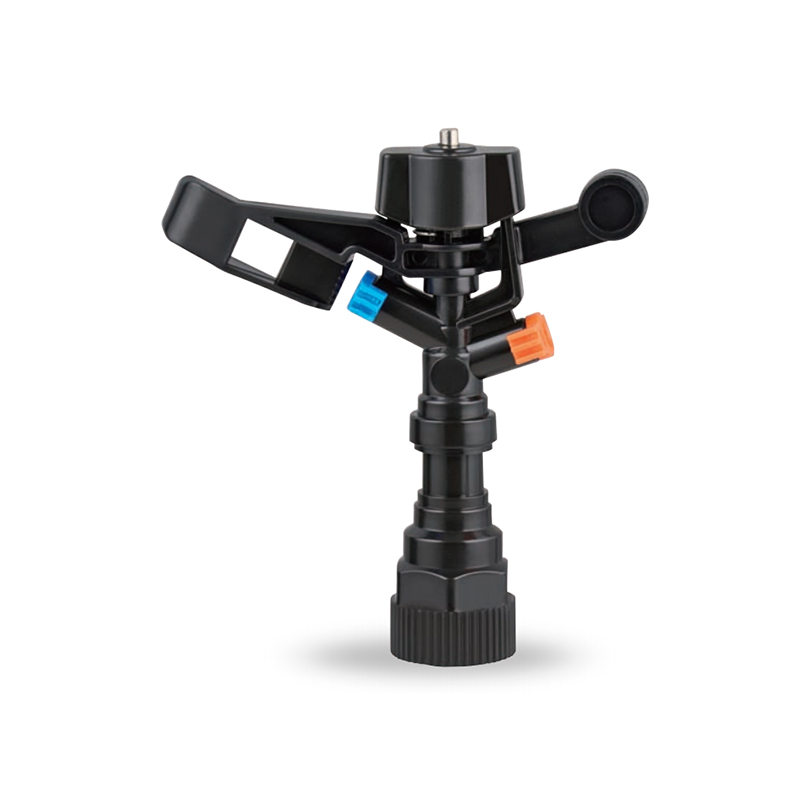
ডাবল অগ্রভাগের গার্ডেন ফার্ম ইমপ্যাক্ট ফুল-সার্কেল স্প্রিঙ্কলারটি দক্ষতার সাথে এবং সমানভাবে জল স্প্রে করার জন্য ভালভাবে ডিজাইন করা হয়েছে, এইভাবে ফসলের বৃদ্ধির গুণমান উন্নত করে। বাড়ির বাগানে হোক ব...
See Details
আমাদের সংস্কৃতি
-
আমাদের মিশন
আমাদের লক্ষ্য হল বাজারে একটি প্রিমিয়ার ব্র্যান্ড তৈরি এবং মানুষের জীবনযাত্রার মান উন্নত করার সময় গ্রাহকের চাহিদা পূরণকে অগ্রাধিকার দেওয়া।
-
আমাদের ভিশন
আমাদের লক্ষ্য হল একটি পূর্ণ-পরিষেবা প্রদানকারী হিসাবে বাজারে আধিপত্য করা, বিশ্বব্যাপী উপস্থিতি অর্জন করা এবং টেকসই বৃদ্ধির অভিজ্ঞতা অর্জন করা।
-
ক্লায়েন্ট ফোকাস
আমরা ক্রমাগত ক্লায়েন্ট চাহিদা এবং প্রত্যাশা সন্তুষ্ট করতে আমাদের পণ্য এবং পরিষেবা উন্নত. গ্রাহকের চাহিদা আমরা যা করি তার মূলে থাকে।
-
উদ্ভাবনী আত্মা
আমরা অগ্রগামী এবং উদ্ভাবনী চেতনাকে সমুন্নত রাখি, অজানা বিষয়গুলিতে উদ্যোগী হওয়ার সাহস আছে এবং শিল্পের বৃদ্ধিকে নতুন শক্তি দিতে ক্রমাগত উদ্ভাবন করি।
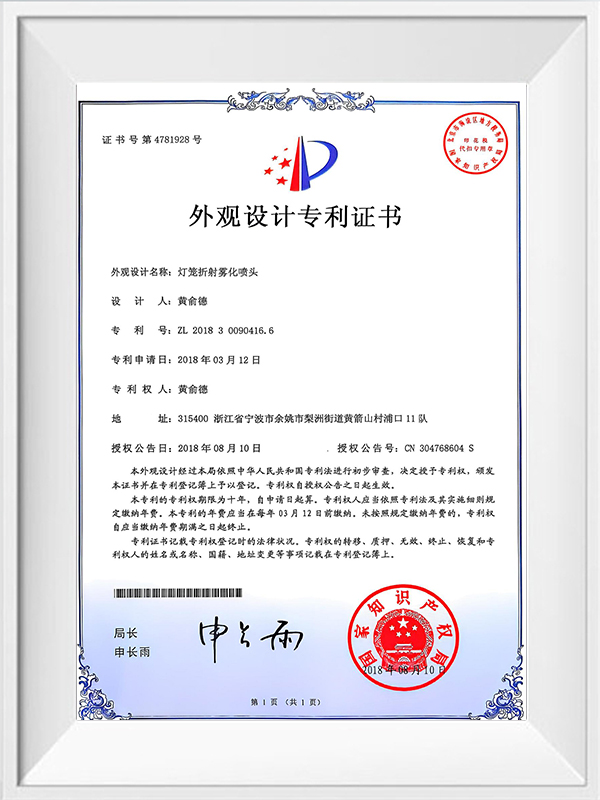
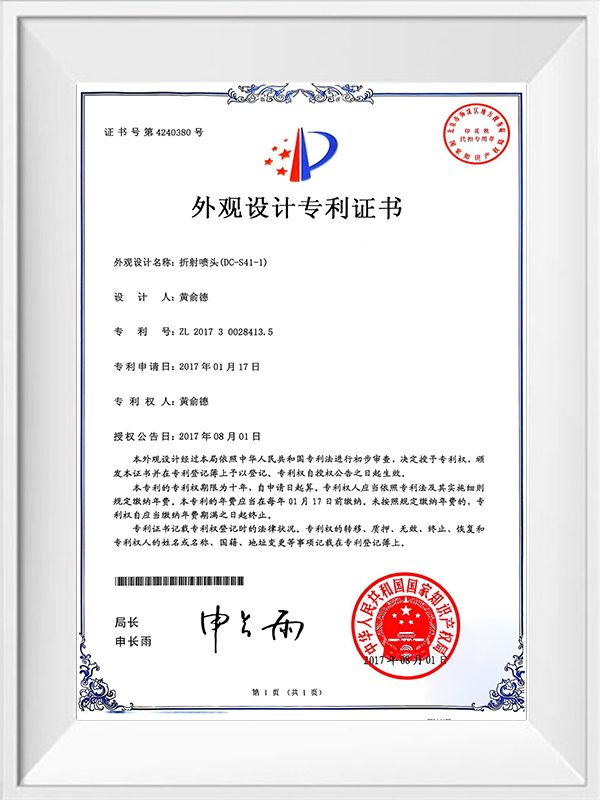
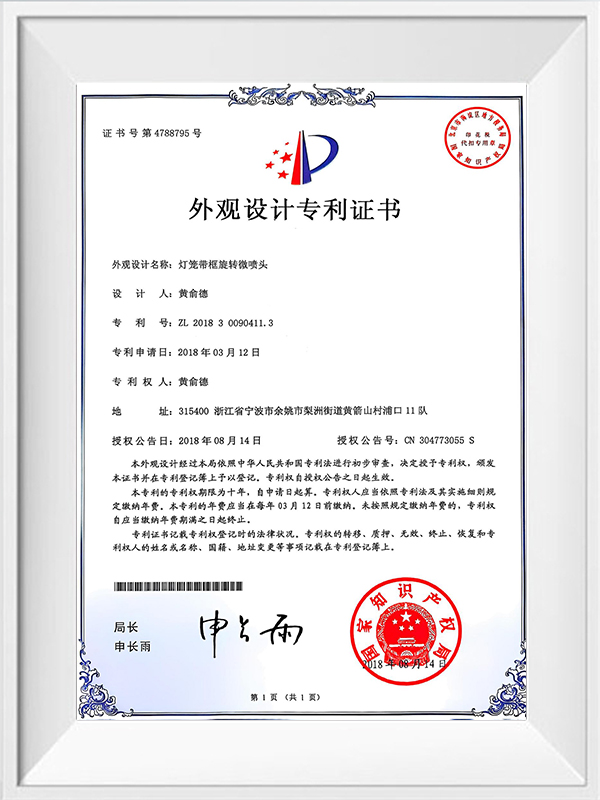
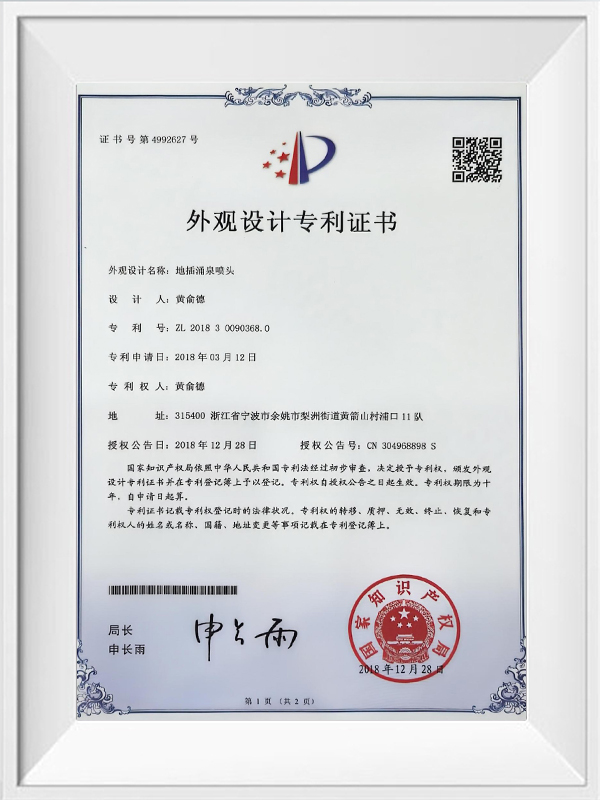
আপনি আমাদের প্রতিশ্রুতি আছে
আমরা একজন নির্ভরযোগ্য অংশীদার যেটি আমাদের দক্ষতাকে আপনার প্রকল্পের সাফল্যে রূপ দেয়।
বার্তা প্রতিক্রিয়া
ল্যান্ডস্কেপ ড্রিপার্স সিরিজ Industry knowledge
Will Landscape Drippers Shape the Future of Urban Green Spaces?
As cities worldwide grapple with climate change, water scarcity, and the urgent need for sustainable development, innovative irrigation technologies are emerging as critical tools for redefining urban green spaces. Among these, landscape drippers—a precision irrigation solution—are gaining traction for their potential to transform how cities manage water resources while maintaining lush, resilient public landscapes.
The Challenge of Urban Sustainability
Urban green spaces, from parks to rooftop gardens, play a vital role in mitigating heat islands, improving air quality, and enhancing residents’ well-being. However, traditional irrigation methods, such as sprinklers or manual watering, often lead to significant water waste, uneven distribution, and high maintenance costs.
Enter Landscape Drippers: Precision Meets Sustainability
Landscape drip irrigation systems deliver water directly to plant roots through a network of tubes and emitters, minimizing evaporation and runoff. This technology, long used in agriculture, is now being optimized for urban environments. Modern systems integrate smart sensors and automated controls, enabling real-time adjustments based on soil moisture, weather forecasts, and plant needs.
Studies show drip irrigation can reduce outdoor water use by up to 60% compared to conventional methods. For cities facing droughts or strict water regulations, this efficiency is not just advantageous—it’s essential. Moreover, the targeted watering reduces weed growth and soil erosion, lowering long-term maintenance burdens for municipal authorities.
Ningbo Dewo: Pioneering Water-Smart Urban Solutions
At the forefront of this innovation is Ningbo Dewo Irrigation Equipment Co., Ltd., a Zhejiang-based manufacturer with two decades of expertise in water-saving irrigation systems. Strategically located near the ports of Ningbo and Shanghai, the company combines logistical efficiency with cutting-edge R&D to produce durable, customizable drip irrigation solutions tailored to urban needs.
Our landscape drippers are designed to integrate seamlessly with smart city infrastructures, supporting everything from vertical gardens to street tree networks." The company’s systems emphasize modularity, allowing cities to incrementally adopt drip technology without overhauling existing green spaces.
The Road Ahead: Smarter, Greener Cities
As urbanization intensifies, the adoption of smart irrigation systems is expected to accelerate. Industry analysts predict the global drip irrigation market will grow by 11% annually, reaching $9.4 billion by 2027. For city planners, the benefits extend beyond water savings: reliable irrigation ensures green spaces thrive year-round, bolstering biodiversity and community resilience.
Yet challenges remain. High upfront costs and technical knowledge gaps can hinder widespread adoption. Companies like Ningbo Dewo are addressing these barriers by offering cost-effective, user-friendly systems and partnering with municipalities on pilot projects.
Landscape drippers represent more than a technological upgrade—they embody a shift toward data-driven, resource-conscious urban planning. By enabling cities to "do more with less," these systems could redefine the role of green spaces in modern metropolises. As pioneers like Ningbo Dewo continue to innovate, the vision of sustainable, livable cities appears increasingly within reach.

পণ্য ও সেবা

আমাদের সাথে যোগাযোগ করুন
 No.518, Ruihao রোড, Lizhou Street, Yuyao City, Zhejiang Province, China
 +86-13105554615 / +86-18005843886
 decheng@dcssq.com fredzhu@dcssq.com
 লিসা
লিসা
 ফ্রেড ঝু
কপিরাইট © Ningbo Dewo Irrigation Equipment Co., Ltd. সর্বস্বত্ব সংরক্ষিত. China ল্যান্ডস্কেপ ড্রিপার্স সিরিজ Suppliers ল্যান্ডস্কেপ ড্রিপার্স সিরিজ Company
